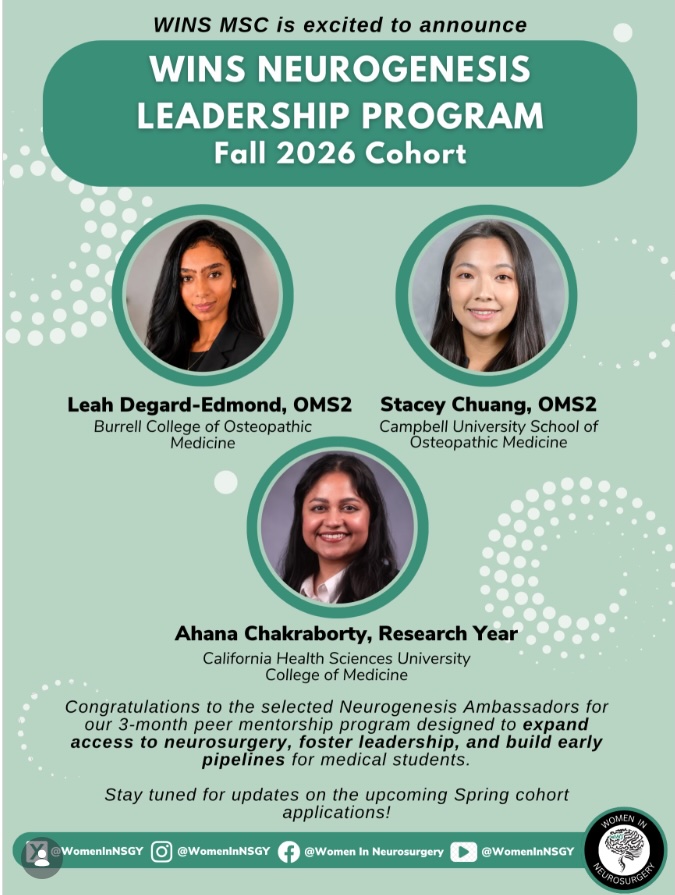

Student Dr. Stacey Chuang is one of three women nationwide selected as a Neurogenesis Ambassador for the Women in Neurosurgery Medical Student Committee, and she will host a panel discussion and a Neurogenesis Workshop at the med school Nov. 18.
Chuang is a second-year medical student at Campbell University’s Jerry M. Wallace School of Osteopathic Medicine (CUSOM).
The national program is extremely competitive, selecting just three med students from accredited MD and DO programs across the U.S. who will take part in a three-month mentorship and leadership development program.
The program targets women student doctors attending a medical school without a home-based neurosurgery program, such as CUSOM, which doesn’t have a residency program.
It aims to support students attending medical schools without that home neurosurgery program by helping them build professional connections, establish mentorship relationships and gain greater exposure to the field.
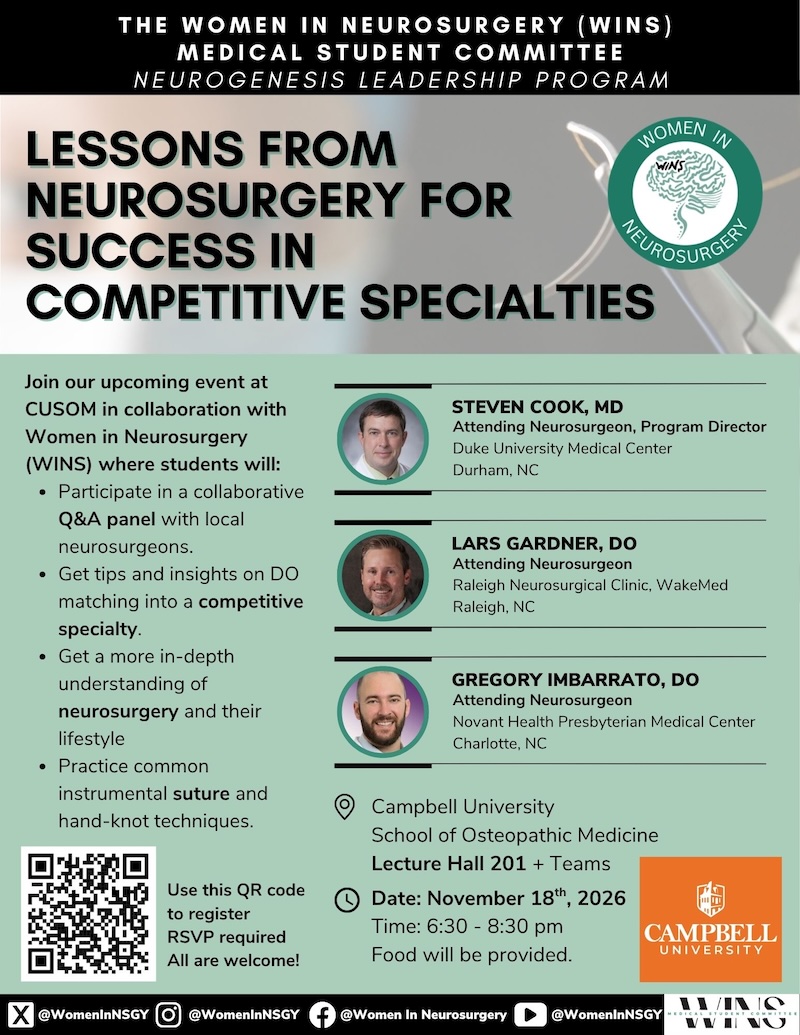
Chuang, as part of the program, is organizing an in-person Neurogenesis Workshop, to be held at the med school from 6:30-8:30 p.m. on Wednesday, Nov. 18. The discussion is in Lecture Hall 201, and food will be provided.
The event, Chuang says, will feature a panel discussion with three neurosurgeons, including a residency program director, followed by a hands-on suture workshop, where students will have the opportunity to learn surgical skills directly from the attending physicians.
Taking part on the panel are Drs. Steven Cook, an MD and attending neurosurgeon, program director at Duke University Medical Center; Lars Gardner, a DO and attending neurosurgeon, Raleigh Neurosurgical Clinic, WakeMed; and Gregory Imbarrato, a DO and attending neurosurgeon at Novant Health Brain and Spine Surgery in Charlotte.
A first-generation medical school student, Chuang is originally from Taiwan. She moved to the U.S. and attended Wake Forest University, where she earned a bachelor’s degree in psychology.
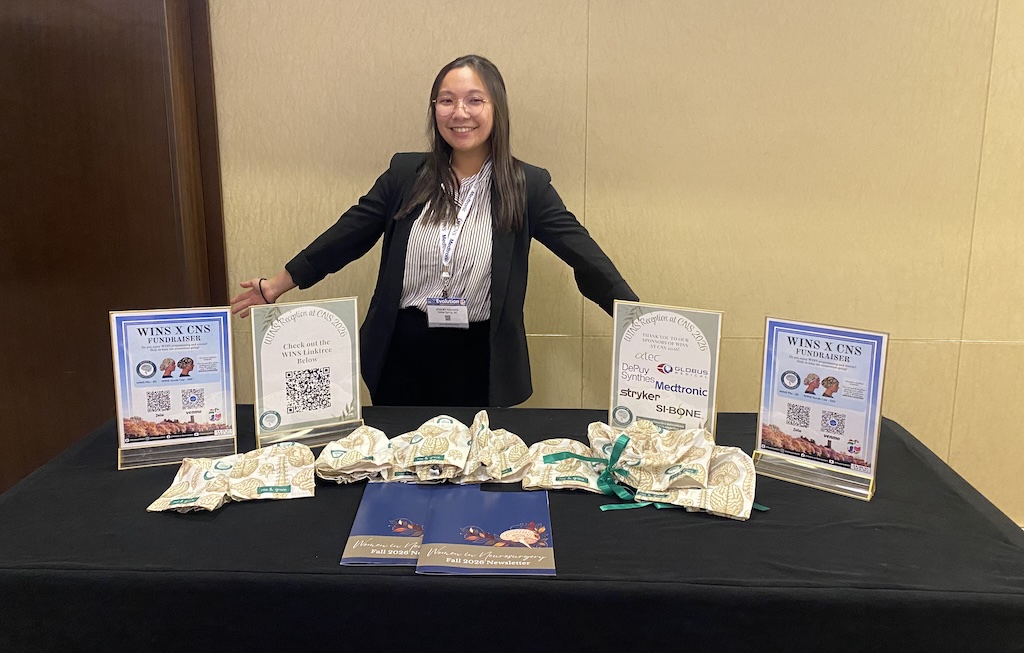
After earning her undergraduate degree, Chuang worked as head medical assistant at the Charleston Thyroid Center in Charleston, South Carolina, and as a neuro-step down patient care technician at the Medical University of South Carolina. NEURO Medical students often wait until they’re closer to graduating before choosing a speciality, but not Chuang, who recently returned from the annual meeting of the Congress of Neurological Surgeons in Washington, D.C.
“I’ve loved neuroscience, (ever) since undergrad, and I was able to get involved with a field of neuroscience and do a lot of research on that,” she says. “But it just never feels right, to only do research … because I really love taking care of people.”
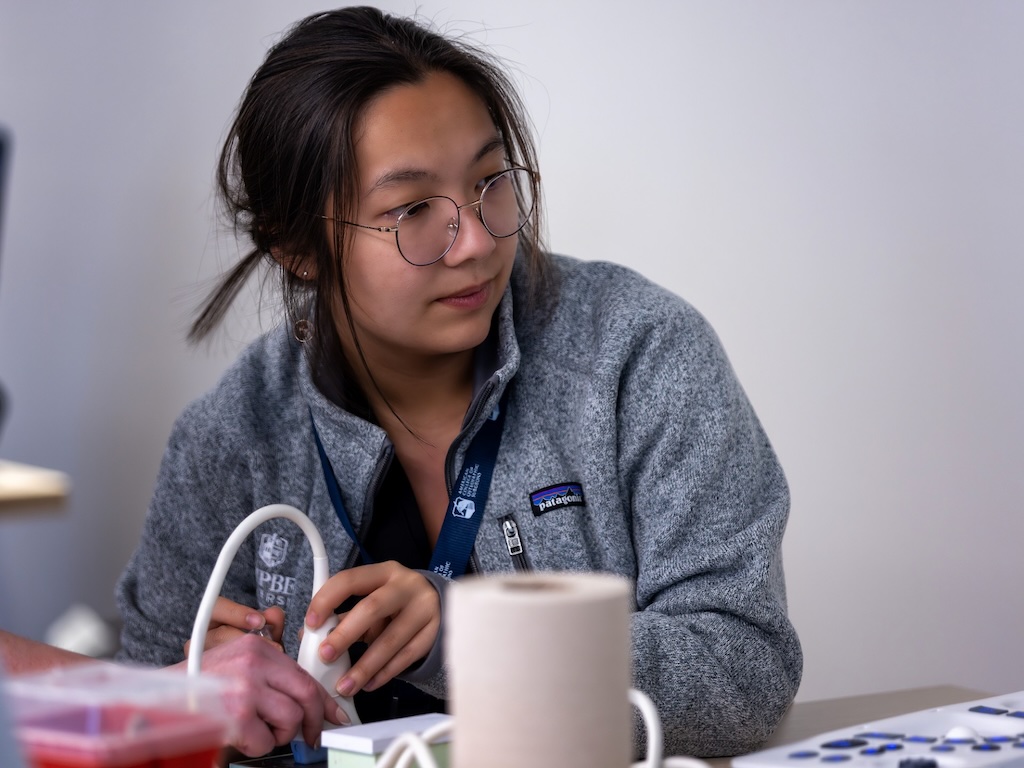
The Neurogenesis Workshop at CUSOM will cover myriad topics, including work-life balance issues for neurosurgeons, getting involved in research, mentorship opportunities, making connections and making the most out of medical school and doing well as a student. The workshop will offer perspectives from both medical and osteopathic doctors, as well as a program director.
Those attending the workshop, in addition to gaining a more in-depth understanding of neurosurgery, will get the chance to practice common instrumental suture and hand-knot techniques.
The discussion isn’t limited to CUSOM. Students from the Physician Assistant program, pre-med undergraduates and area medical schools, for example, are invited, as well. Those unable to attend can join the discussion on Teams (See QR code below), Chuang says.
Chuang says her experience at Campbell has been “great,” and that the faculty are “very, very supportive” and attentive to students’ needs. For example, when she needed suture kits for the workshop — she only had 10 — the SIM lab was quick to supply more. “There are just no issues with me trying to find people who can support me to do what I wanted to do at Campbell, which is super fascinating, because I never heard this from anywhere else.”
CUSOM Dean Dr. David Tolentino says, Chang’s selection as a Neurogenesis Ambassador is a well-deserved honor and recognition of her commitment to neuroscience and the future of neurosurgery.
“What is particularly impressive is that she has embraced this opportunity not only for her own professional growth but also to create meaningful educational and mentorship opportunities for others,” Tolentino says.
“We are happy to see her receive this recognition and equally excited that she is sharing what she learns with other students who may be considering a career in neurosurgery.”