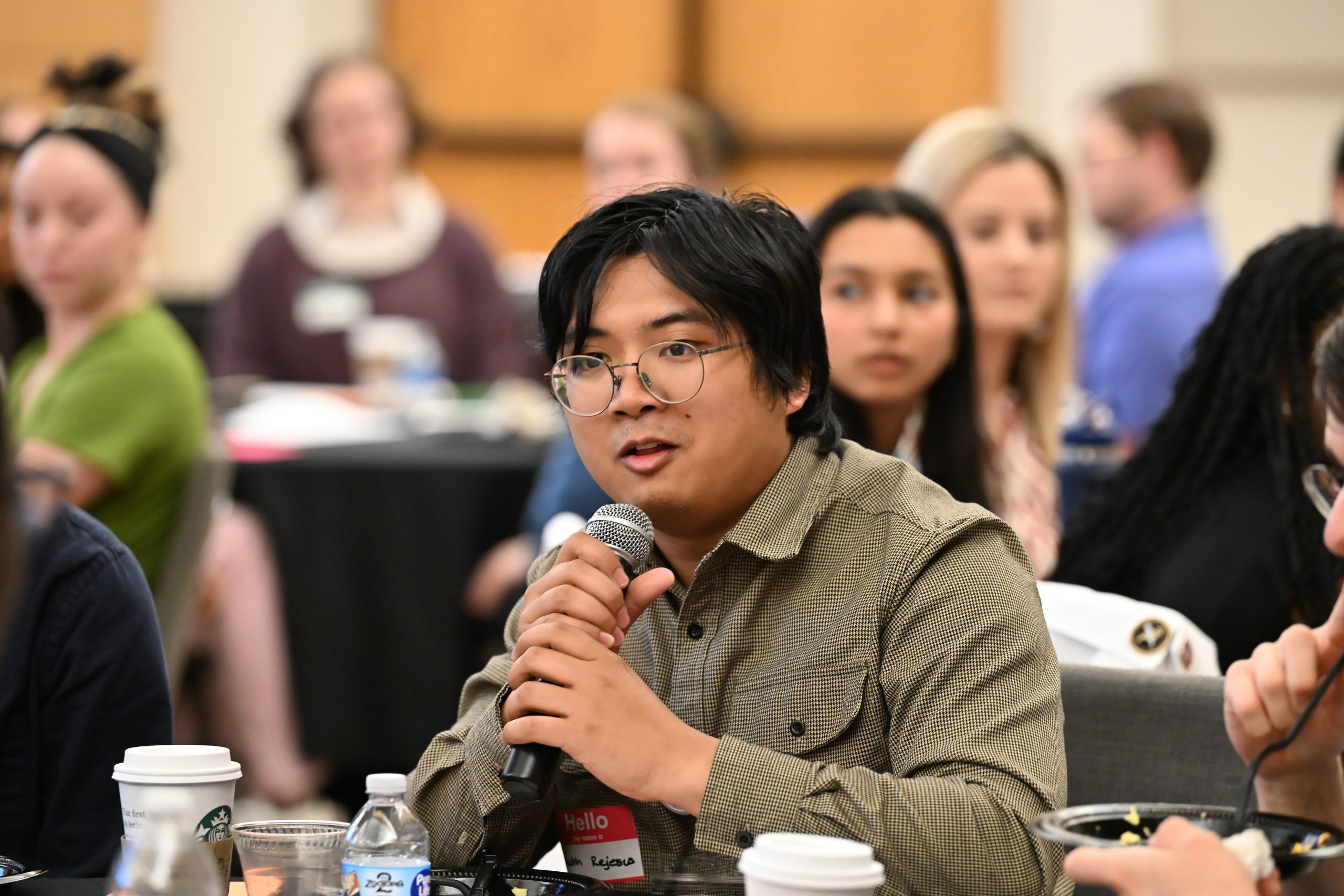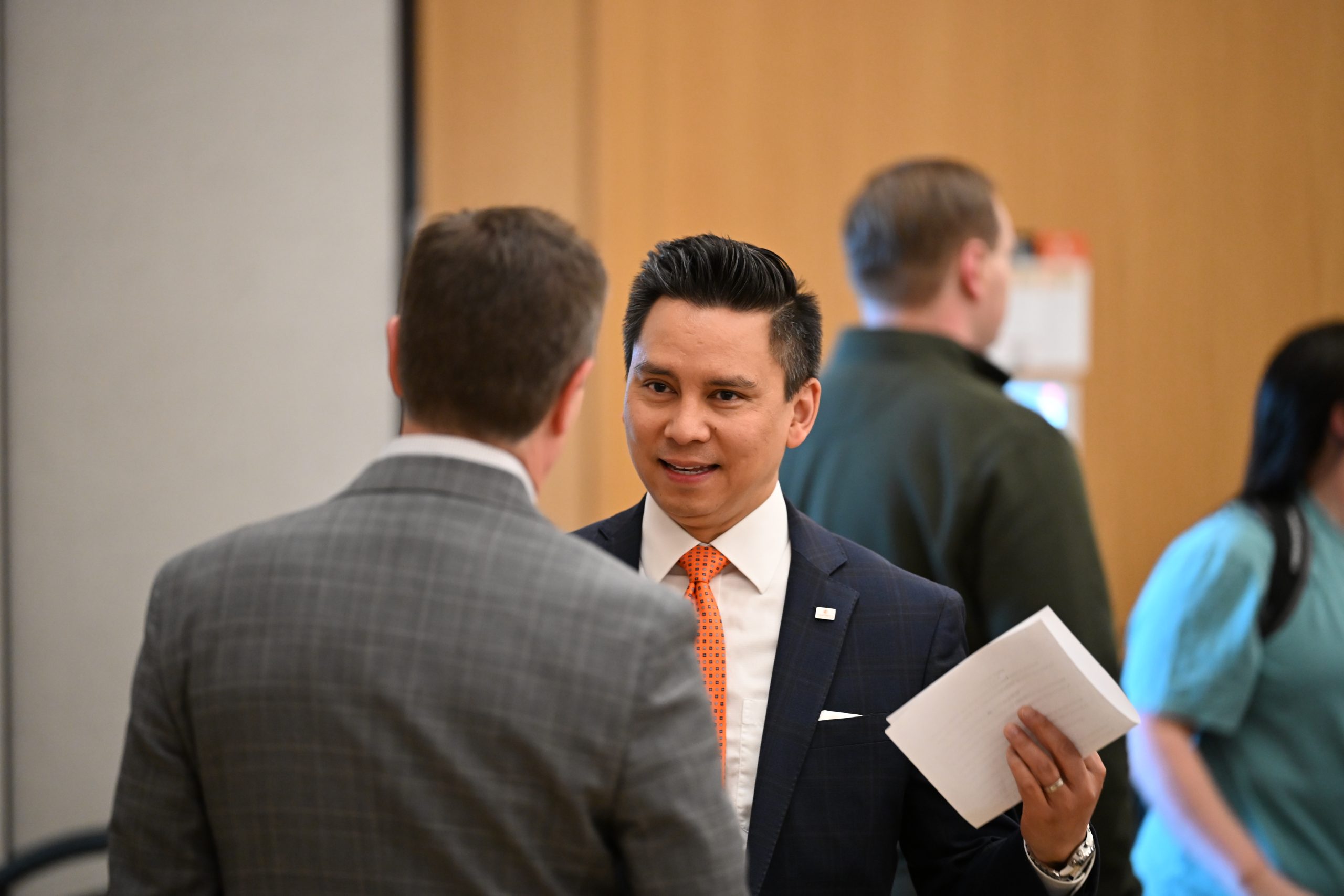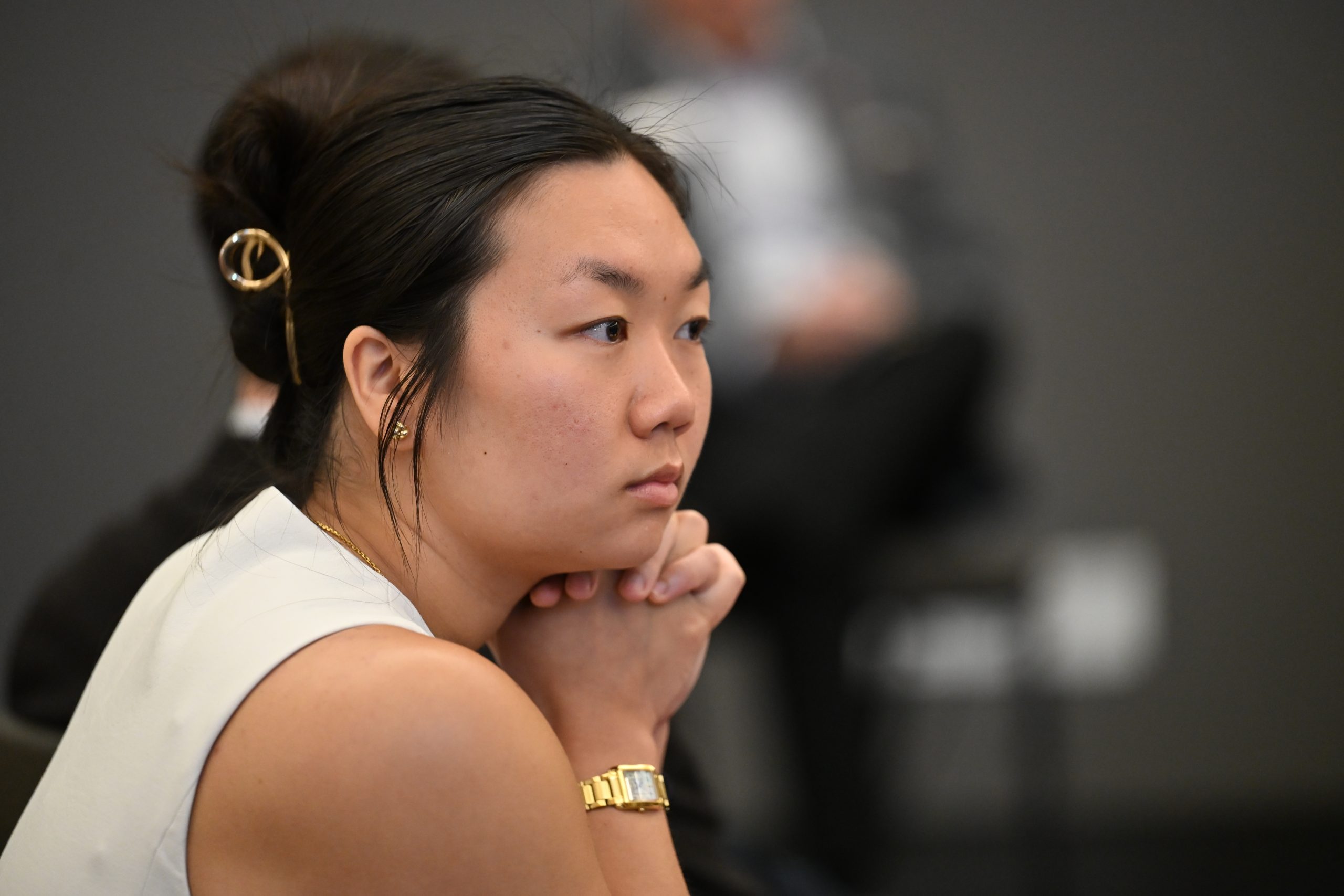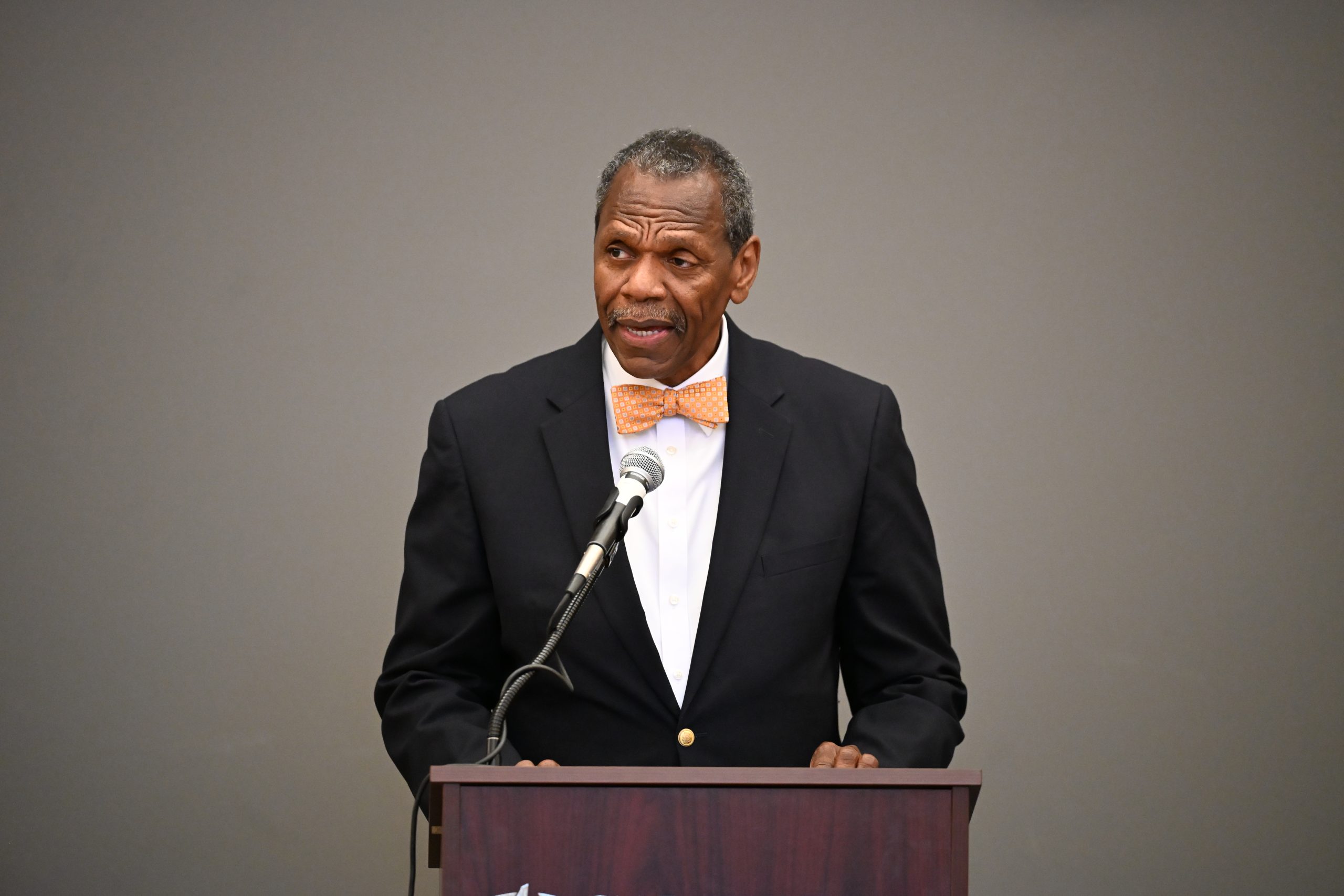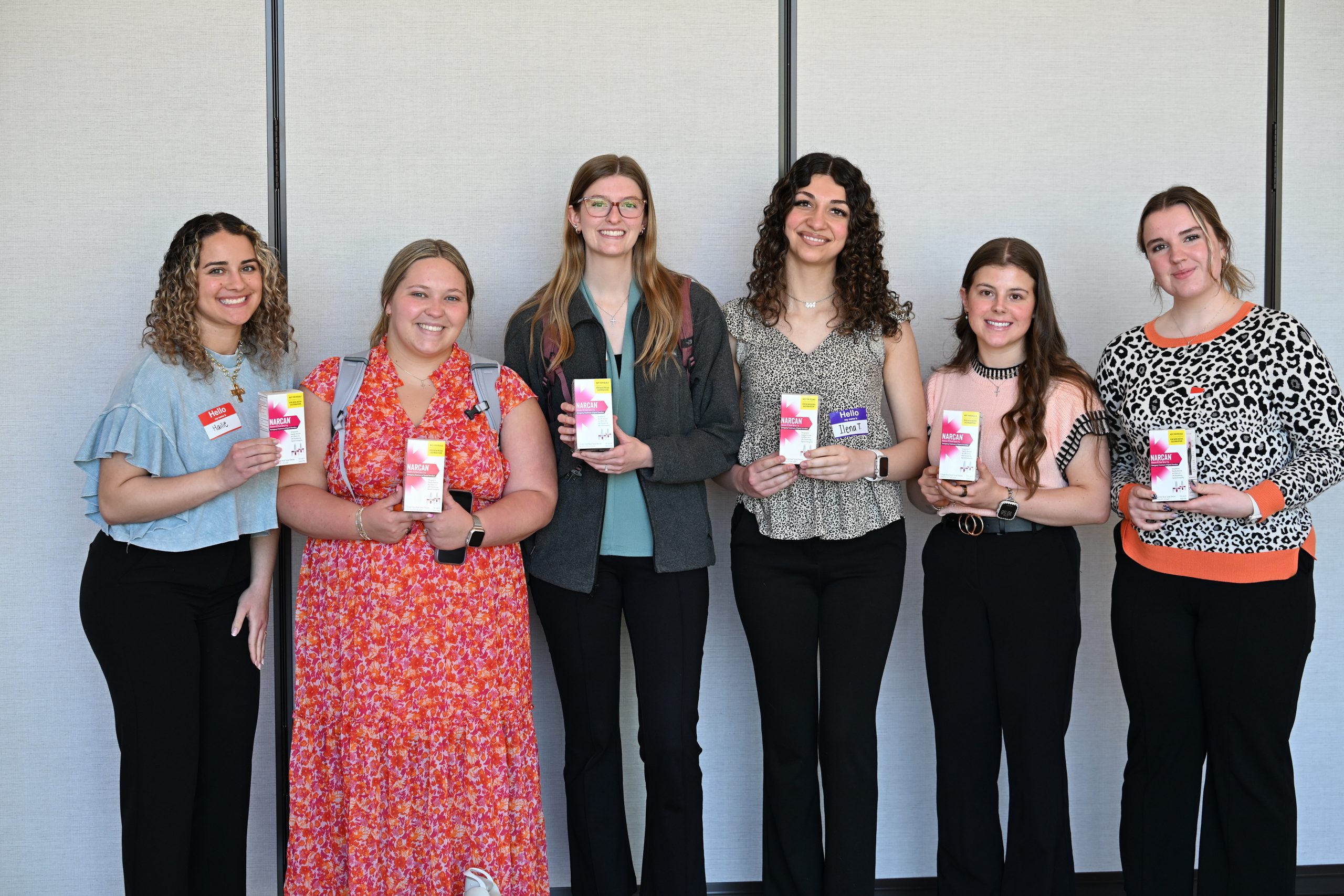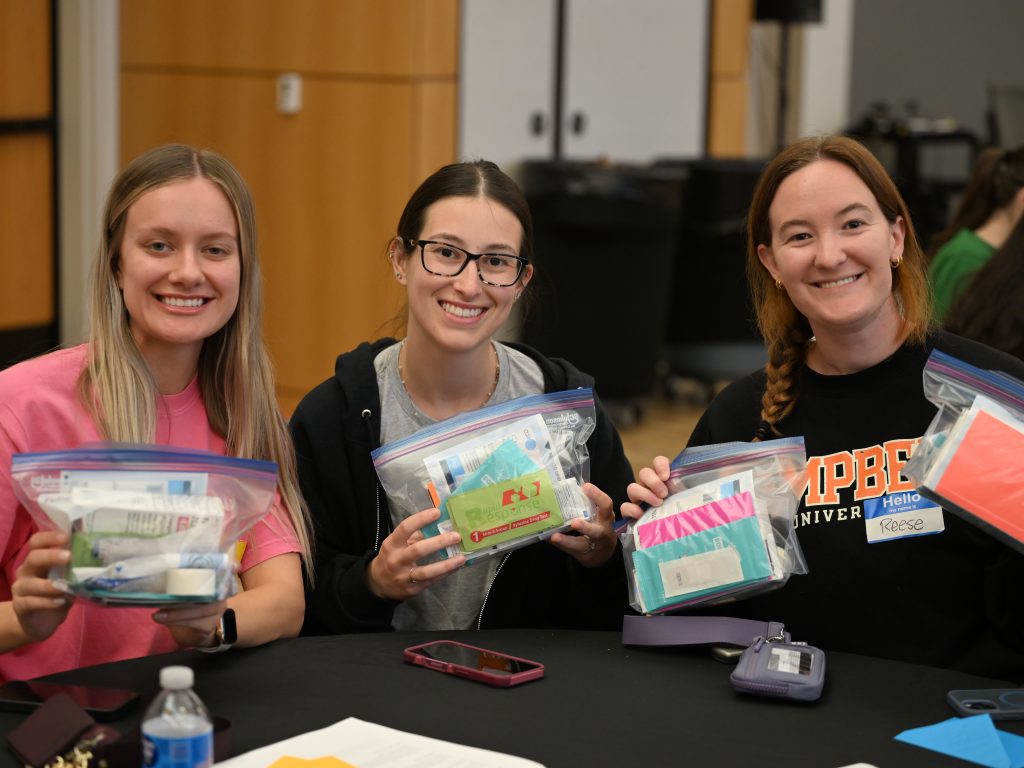

The Interprofessional Education event held on April 10 brought together more than 400 students, faculty and community members for a powerful morning of learning, reflection and collaboration focused on some of the most pressing health challenges facing communities today.
Hosted in the Keith Family Ballroom in the Oscar N. Harris Student Union, the program centered on leading causes of death and the ongoing overdose crisis, encouraging participants to explore both clinical and human perspectives through an interprofessional lens.
The event was organized with strong support from Campbell University Public Health students, whose leadership and coordination played an important role in bringing the program to life. In addition, three faculty members who were recipients of the Faith and Health Campus Grant from Interfaith America were instrumental in planning and guiding the experience, including Dr. Adam English, chair of the Department of Christian Studies and Biomedical Humanities, Dr. Amy Hinkelman, director of the Academic Center for Excellence and associate professor of Microbiology and Immunology, and Dr. David Tillman, associate professor of Public Health and chair of the Department of Public Health.
Their work through the grant focuses on integrating interfaith perspectives into health education and building partnerships to address community health challenges.
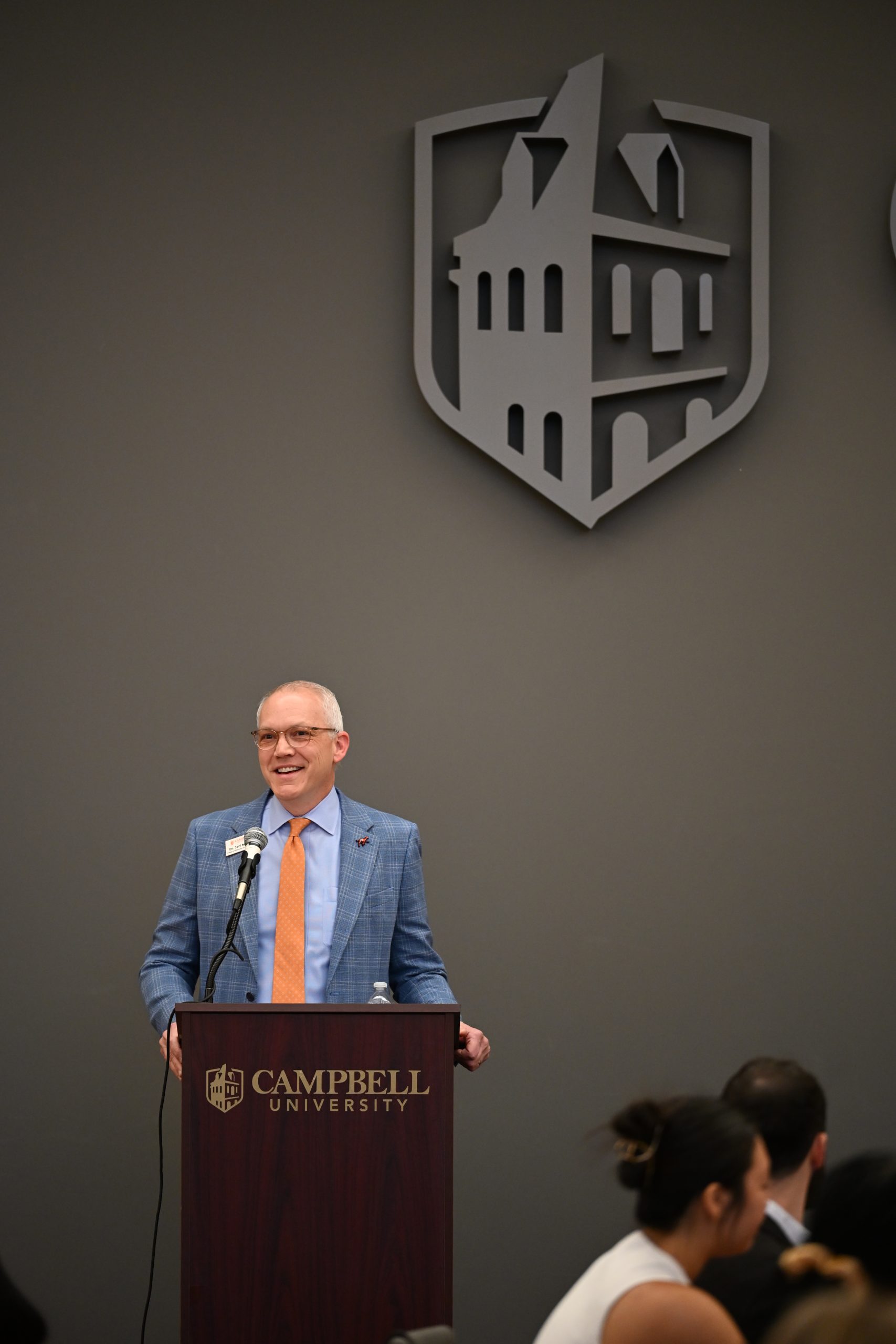
The event began with a welcome from university leadership, followed by an engaging introduction to leading causes of life presented by Tillman. Throughout the morning, attendees participated in guided discussions that encouraged meaningful dialogue about agency, hope, coherence, and connection in healthcare.
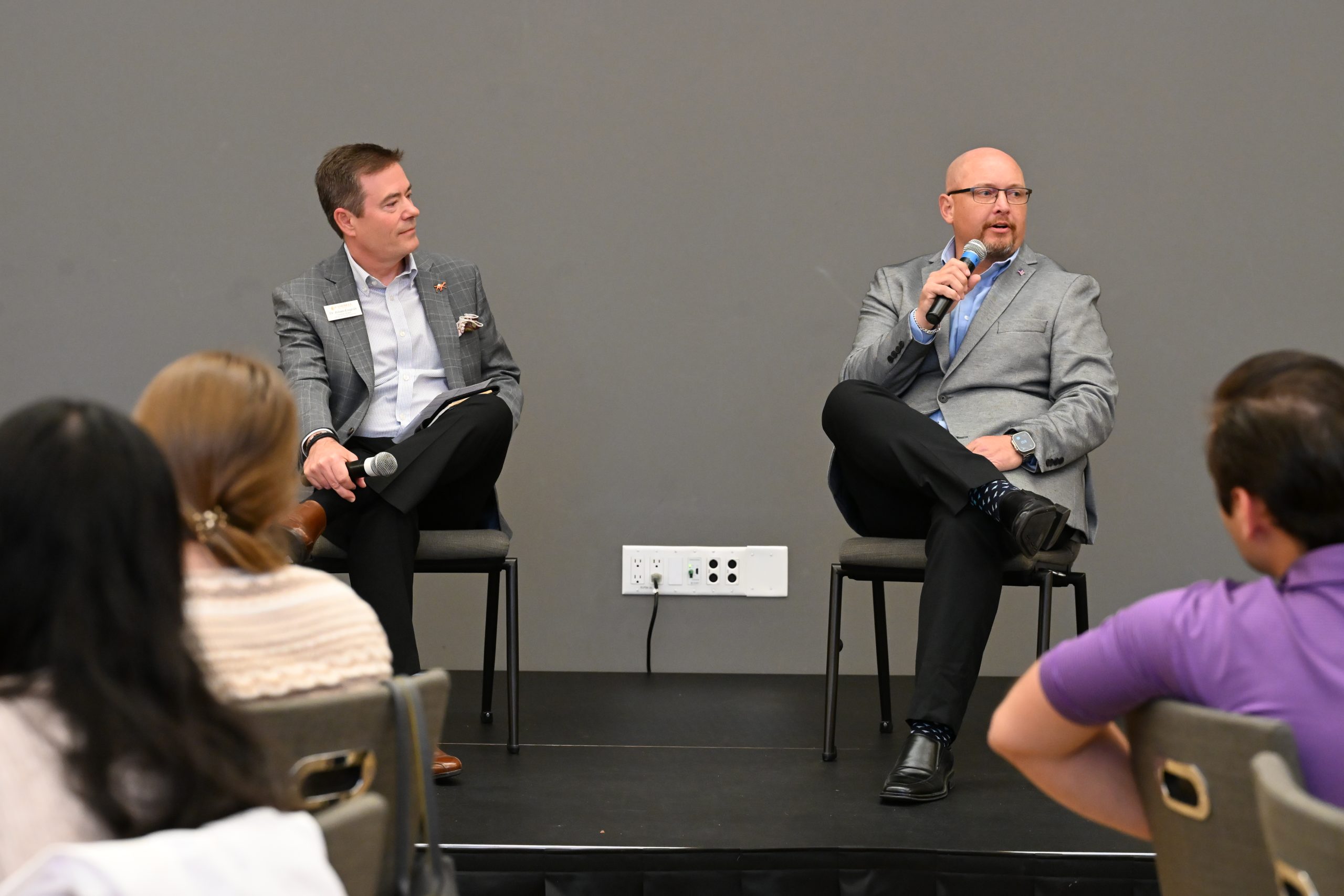
A particularly impactful moment came during a personal interview with Jeremy Bradford, a father who lost his son. Bradford shared his story and the mission behind his advocacy efforts through 2 Out Rally: Strikeout Fentanyl and Rally 4 Mental Health Awareness, offering a deeply moving reminder of the real lives behind the statistics and reinforcing the importance of compassion in care.
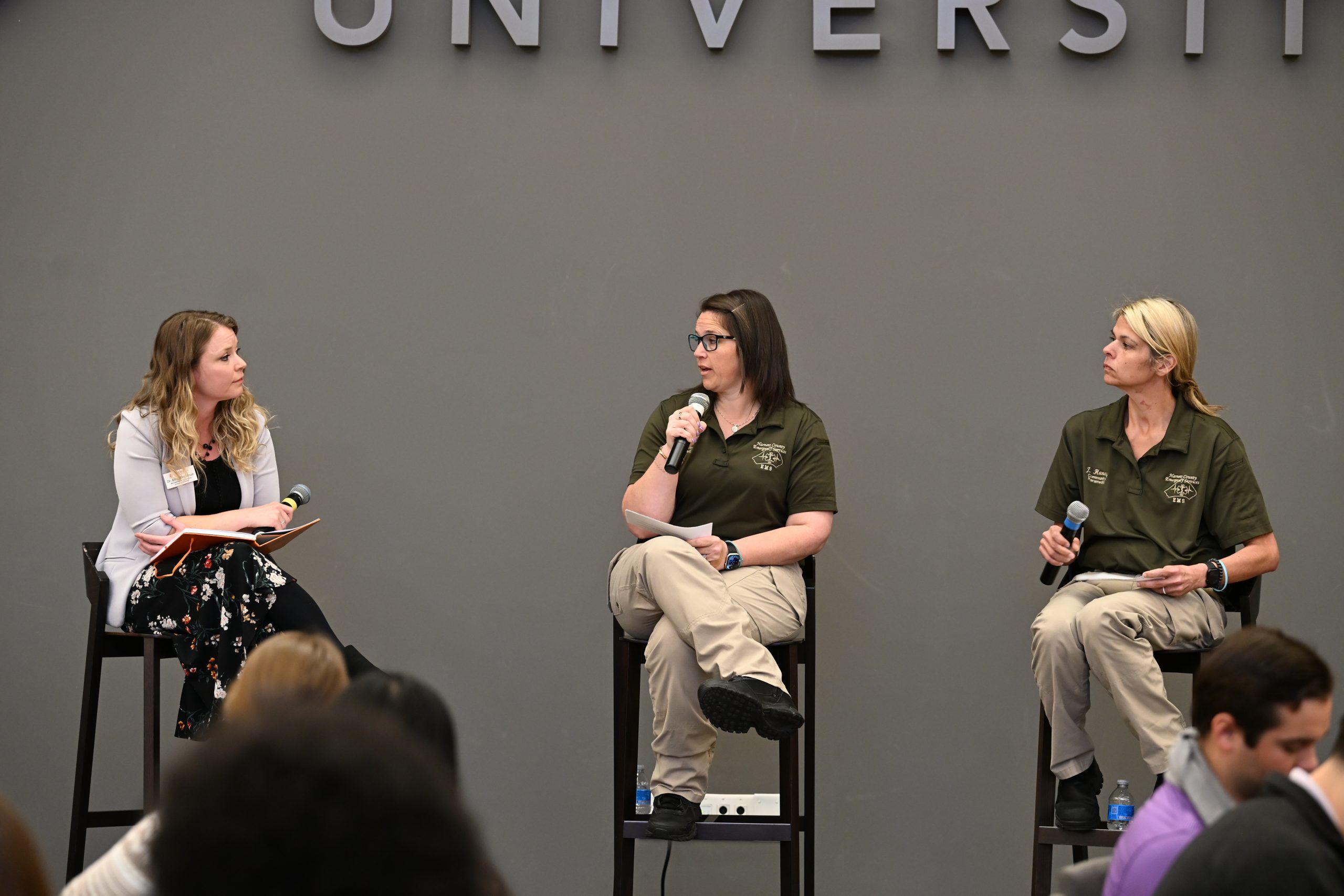
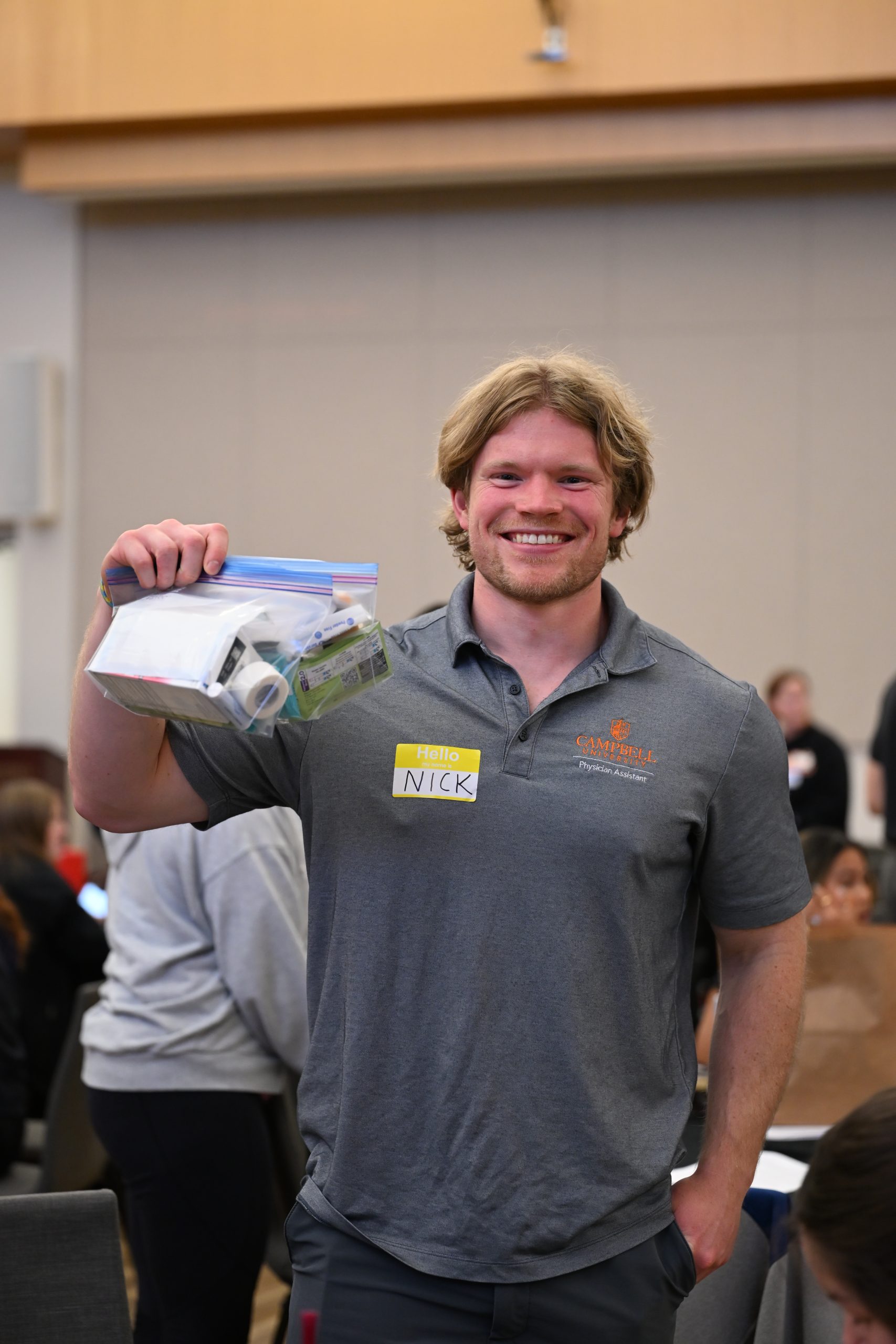
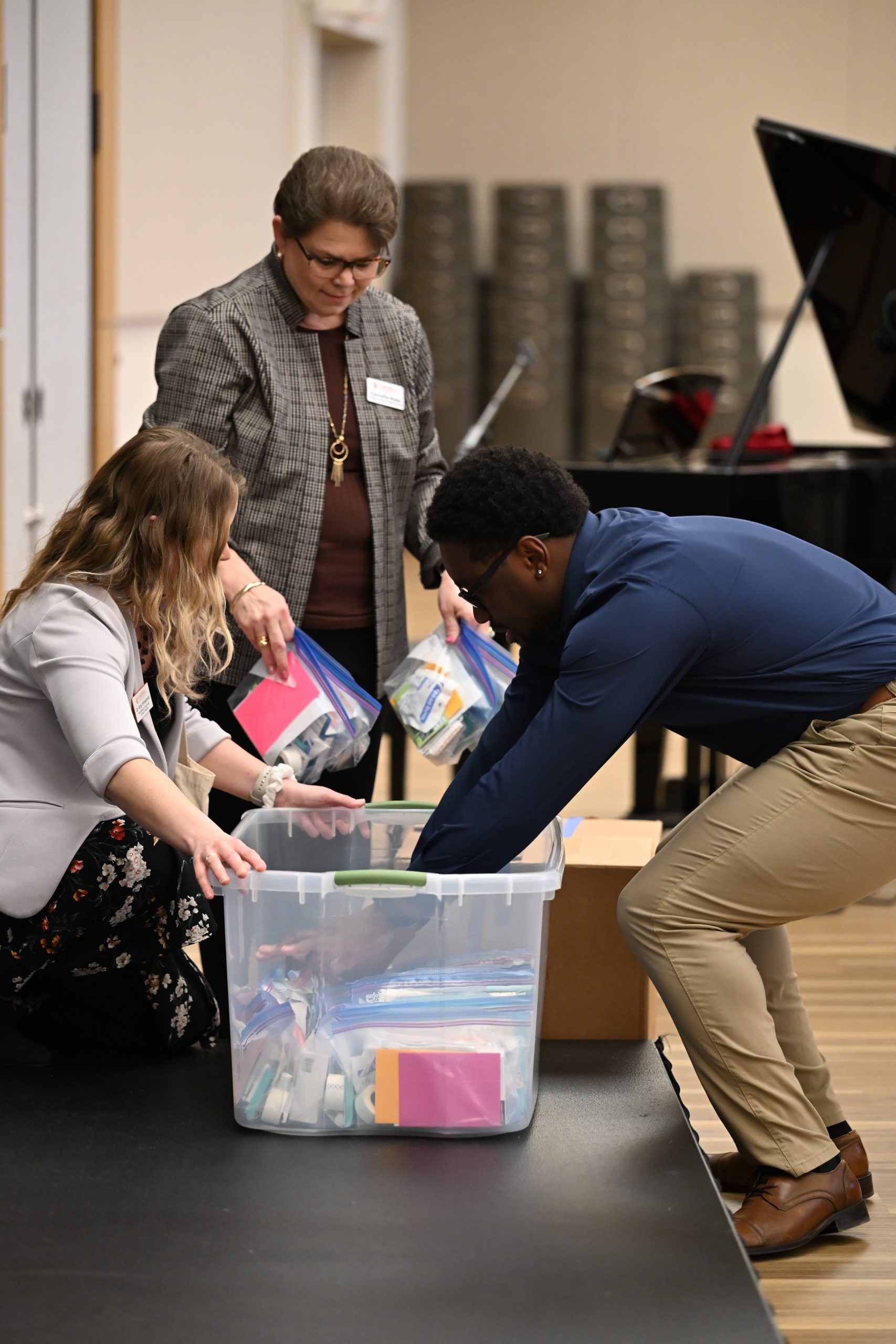
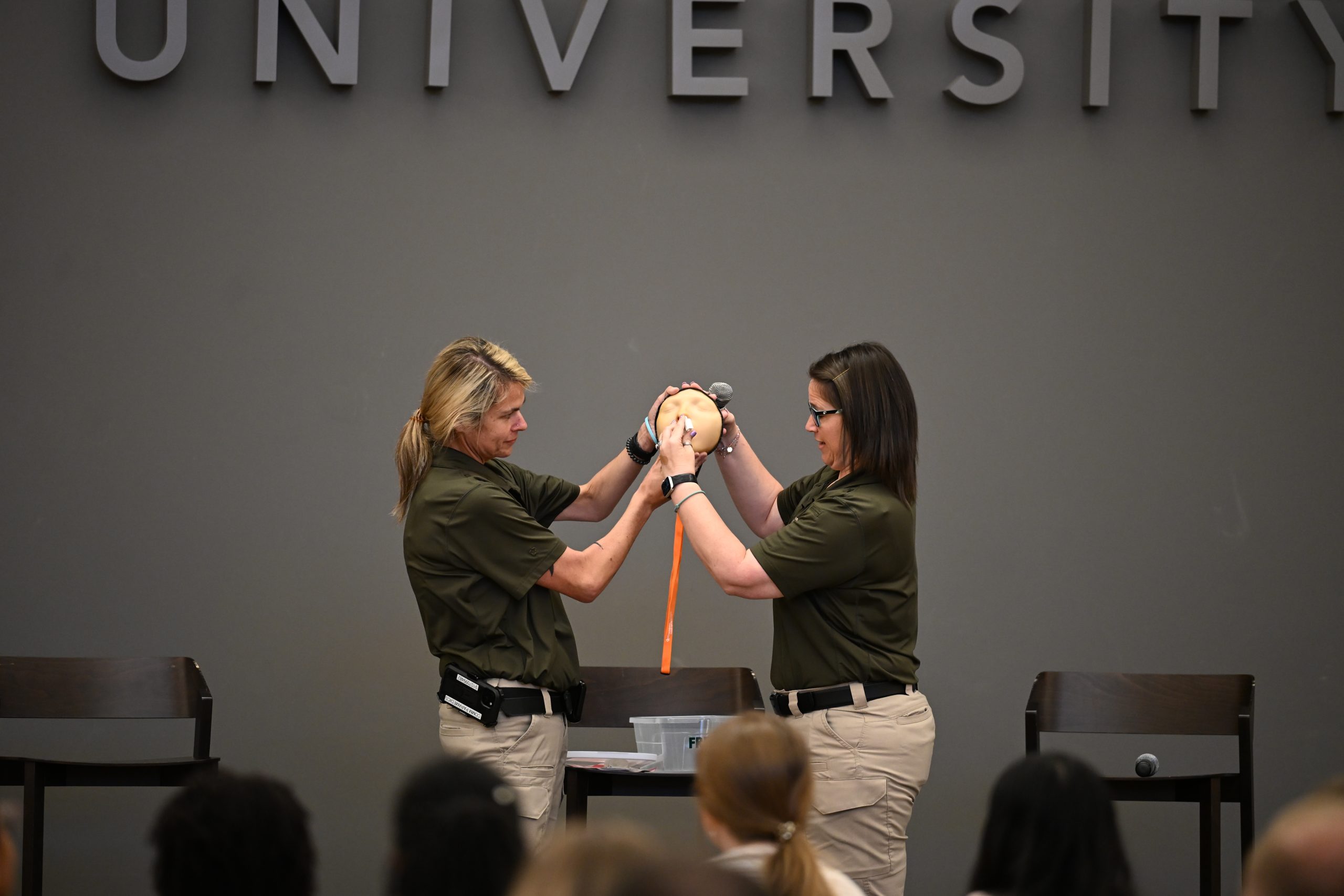
Additional sessions included an interview with the Harnett County Post Overdose Response Team (PORT) team and a naloxone training led by Harnett County Community Paramedics, equipping participants with practical tools to respond in emergency situations. Participants also assembled Hope Kits, each including a handwritten note of encouragement and hope from a student, adding a personal and compassionate touch to the initiative. These kits are used by the PORT team as part of their community paramedicine outreach to support individuals who have experienced an overdose or are at risk. The kits often include naloxone to reverse potential overdoses, along with harm reduction supplies, information about local recovery services, and materials that connect individuals to treatment and support.
By providing these resources at a critical moment, the Hope Kits help bridge the gap between emergency response and long term recovery while also reducing stigma and offering a message of care and support. The event concluded with a prayer and blessing over the naloxone and Hope Kits led by a local community leader, Bishop Reginald Hinton, emphasizing the role of faith, unity, and service in addressing the overdose crisis.
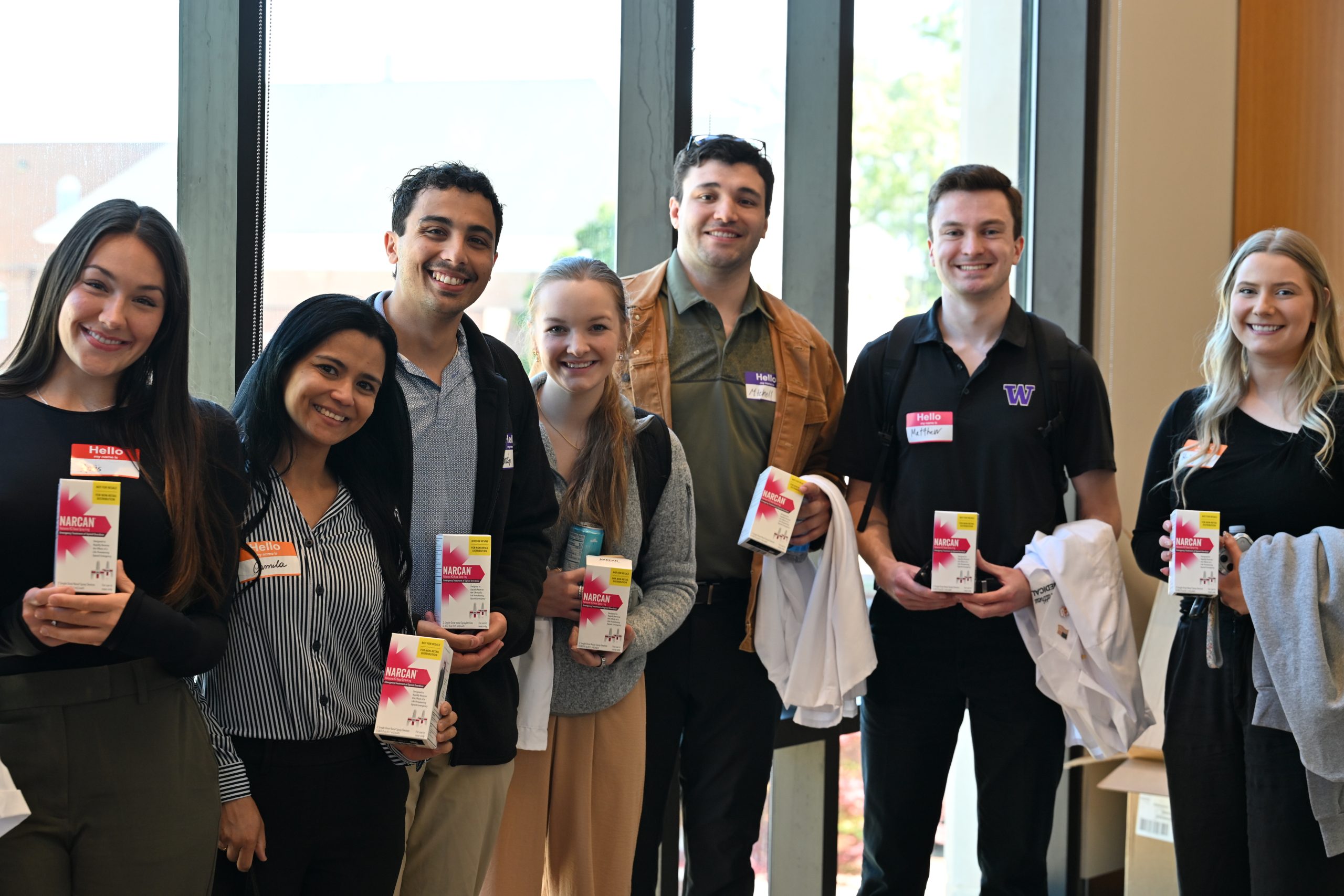
Students were also provided with naloxone to carry with them, equipping them to respond in the event they encounter someone experiencing an opioid overdose.
“This event really showed me how important it is to work together across different healthcare fields and to see patients as whole people, not just their condition,” said Bailey Hall (’29 PharmD/MSPH candidate). “It made me feel more prepared to make a difference in my future career.”
Special thanks are extended to all who helped plan and run the event, including Carmellia Webb, director of Interprofessional Education, and Dr. Pam Edwards, assistant dean of Interprofessional Education, whose leadership and dedication helped make the experience meaningful and impactful for all involved.
This impactful experience was made possible through the support of a Faith and Health Campus Grant from Interfaith America. The event highlighted the importance of bringing together different healthcare disciplines to learn from one another, build empathy, and prepare to serve patients and communities with both skill and compassion.