


Work release, Medicaid coverage, volunteer opportunities big topics of council’s first meeting on Campbell’s campus
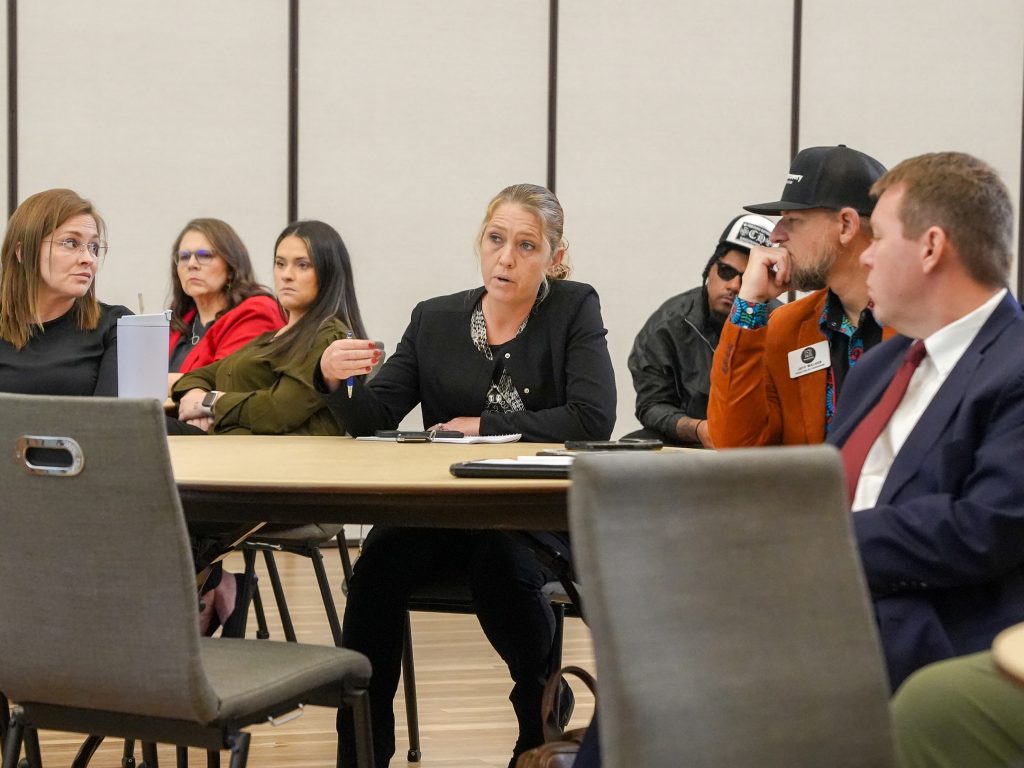
Campbell University expanded its growing partnership with the North Carolina Department of Adult Correction by hosting the November meeting of the state’s Joint Reentry Council, created to support rehabilitation and reentry for incarcerated and formerly incarcerated men and women.
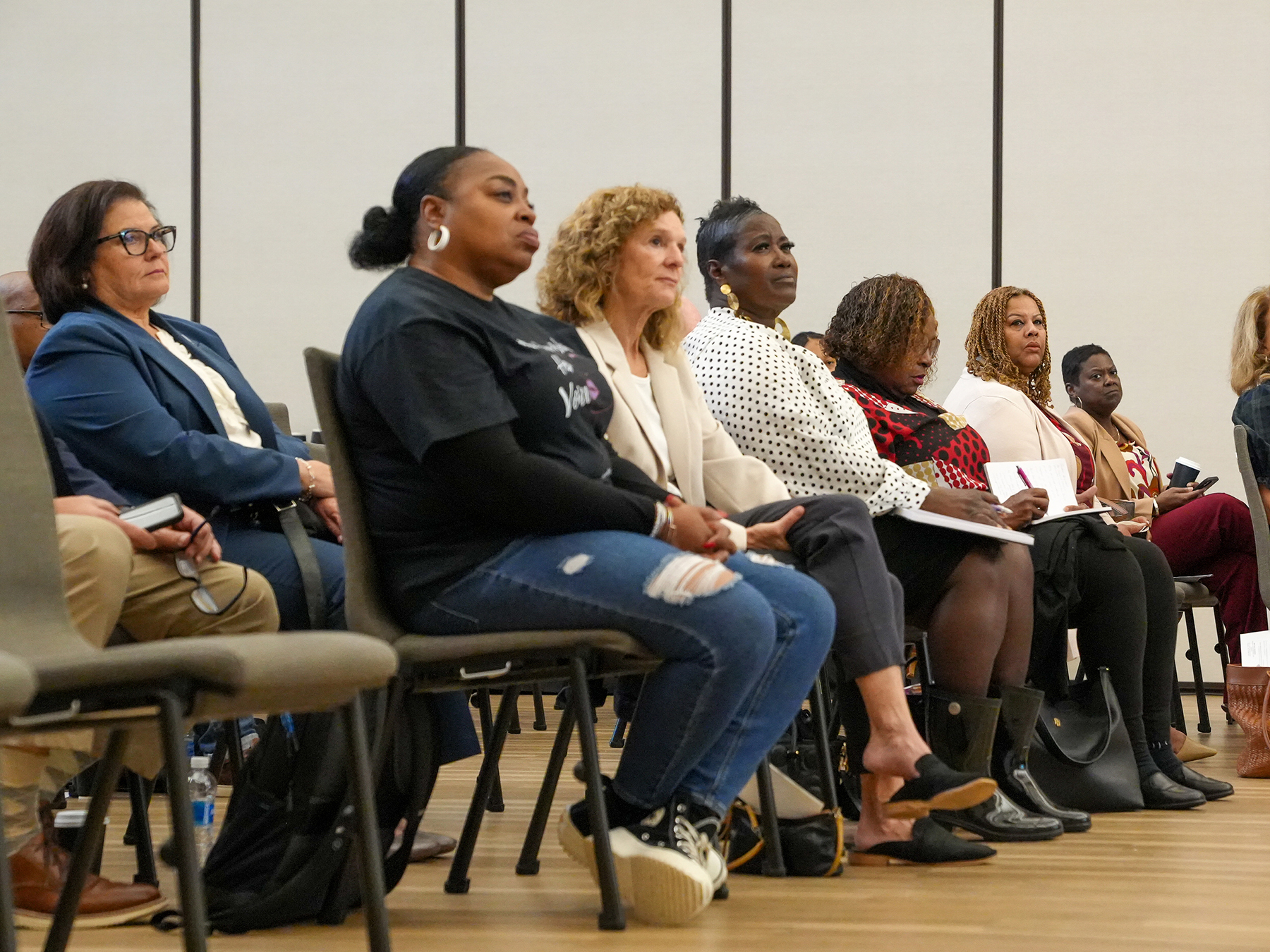
More than 100 staff and volunteers met in the Oscar N. Harris Student Union’s Keith Family Ballroom to learn more about the Council’s efforts to expand work release programs, Medicaid availability and other resources for men and women reentering society, all in an effort to make the transition easier and reduce the state’s recidivism rate.
Campbell has played a big role in the state’s ongoing efforts to lower recidivism through its Second Chance Initiative, a program that provides associate and bachelor degree opportunities to men and women at Sampson and Anson correctional institutions and distance learning opportunities for formerly incarcerated individuals taking part in the Women’s Reentry Higher Education Initiative with Arise Collective in Raleigh.
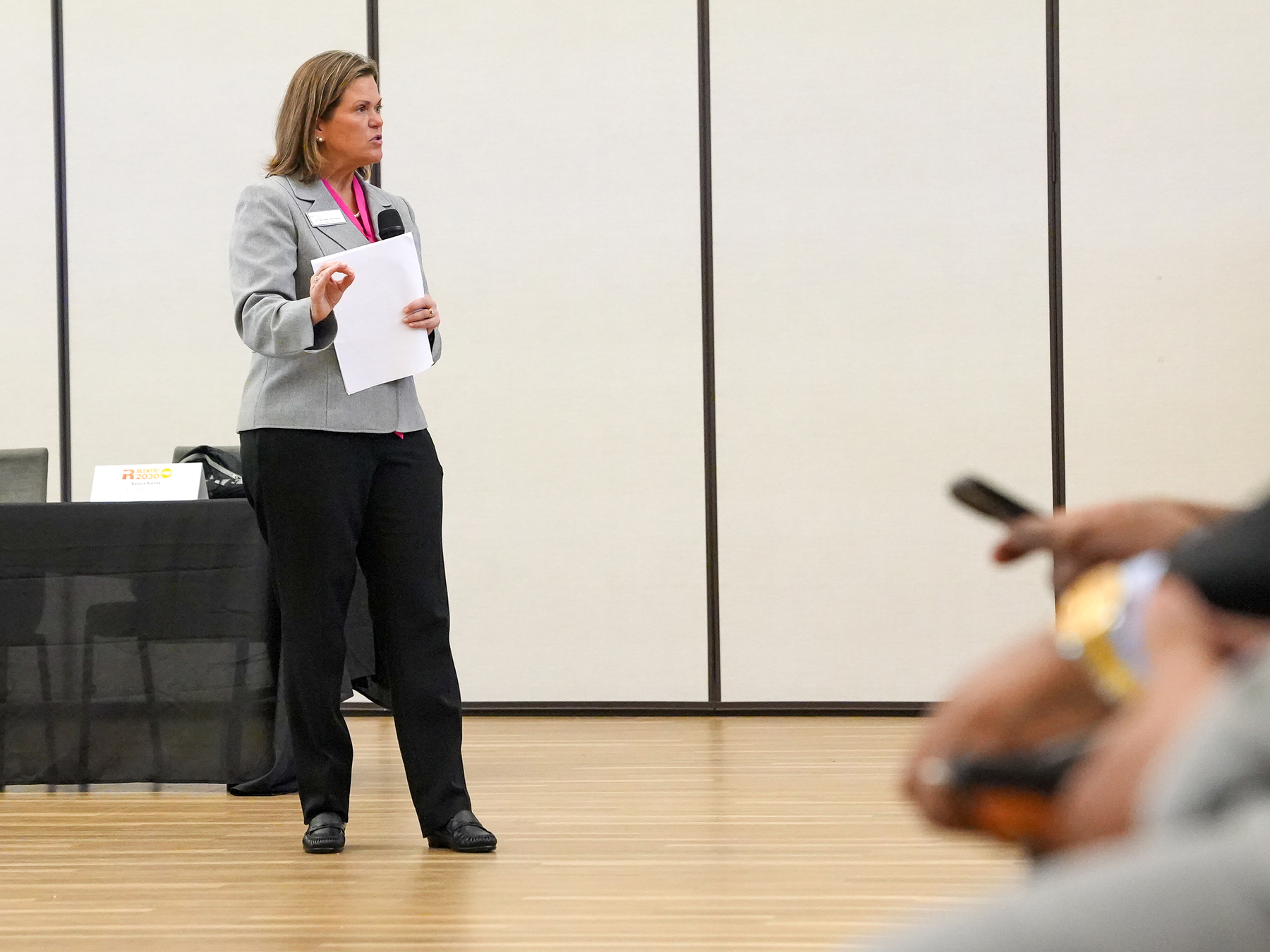
Campbell President Dr. William M. Downs kicked off the program Monday by connecting the school’s efforts through the Second Chance Initiative to its Latin motto, “Ad astra, per aspera,” or “to the stars, through difficulties.”
“Our mission for the last 139 years has been to provide education, opportunity and inspiration to people in our community who do not have a clear or easy path to the stars … people who have to navigate life’s most difficult challenges,” Downs said. “And as a faith-based university, we believe in extending grace. We believe in redemption. We believe in atonement. We believe in a fair chance to advance.
Monday’s program featured three 20-minute presentations — on the state’s Fair Chance to Advance program (education and workforce and their impact on reentry), on Medicaid availability for released individuals and on volunteer programs that support the NCDAC’s efforts. Prior, George Pettigrew, senior deputy secretary for NCDAC’s Division of Rehabilitation and Reentry, provided some promising statistics.
- North Carolina saw a 40-percent increase in formerly incarcerated men and women taking part in its work release programs. “We know it’s effective in helping them enter back into the community,” he said, “and we are well on our way to 50 percent participation.” The state currently has 31 designated reentry facilities, and counting.
- North Carolina received a $2.1 million grant over the next four years for its Fair Chance to Advance program, providing incarcerated and formerly incarcerated individuals pathways to good careers. During her presentation, Dr. Brooke Wheeler, senior director of education and program services for NCDAC, said the program’s goal is simple: “Every credential should have a next step, every handoff should have an owner and every pathway should have an outcome.”
- The state is at approximately 70 percent of people returning to the community who are covered by Medicaid. Inadequate access to health care can create a barrier to successful reentry into society, which is why the state is working to fill health care coverage gaps before release, allowing more justice-involved individuals — people who often work in low-paying jobs or struggle to find work because of their criminal history — to enroll in Medicaid. The program covers doctor visits, behavioral health treatments and prescription drugs.
- The NCDAC signed a memorandum of agreement with the state Department of Motor Vehicles to expand eligibility of state-issued IDs so they can be obtained prior to release.
Back in October, Campbell University was recognized by North Carolina First Lady Anna Stein at the North Carolina Executive Mansion in downtown Raleigh for the impact of its Second Chance Initiative. Stein and Leslie Disumukes, secretary of the NCDAC, were on campus Monday for the Joint Entry Council meeting and again praised Campbell’s efforts.
“I think it’s appropriate to have this meeting at Campbell, because they’ve been such good partners to us,” Dismukes said. “I’m going to call them the ‘platinum sponsor’ for their efforts. Everybody should strive to be as involved as Campbell is.”
Downs offered the group a standing invitation to hold future meetings on Campbell’s campus.
See a video of Monday’s full meeting: