Law professor interviewed by Boston Globe regarding defamation case

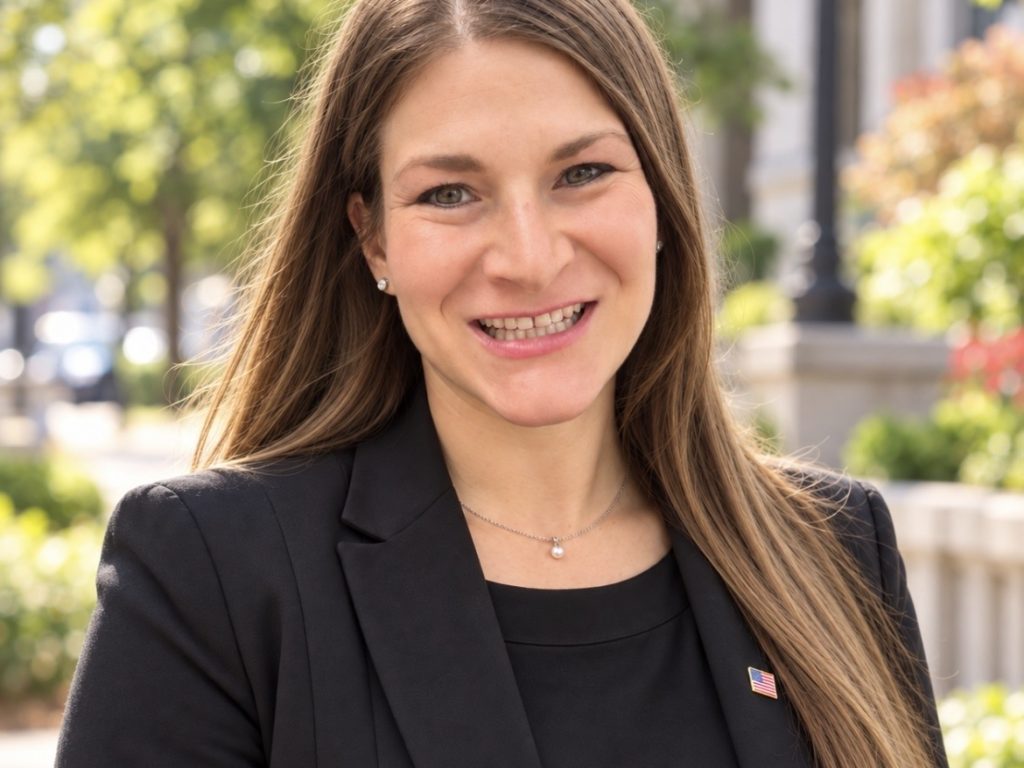
Photo of Campbell Law Assistant Professor Nicole Ligon

RALEIGH – Campbell Law School Assistant Professor of Law Nicole Ligon has been quoted in a Boston Globe article regarding a defamation case involving former MIT scientist David Sabatini and Kristin Knouse (Sabatini v. Knouse) where Sabatini was granted $6 million in damages following Knouse’s allegations of sexual misconduct.

The article focuses on the practical challenges of collecting large defamation awards. Here, Ligon shares insight on how much a plaintiff could expect to receive.
 
“A $6 million verdict creates a legal obligation, but that doesn’t mean that there’s that much available money,” she states. “If the defendant has little collectible money, the plaintiff could expect that they’re only going to receive a fraction or nothing.” Sometimes, Ligon explains, plaintiffs will also agree to accept a lesser amount to garner the public’s “goodwill.” She points to Johnny Depp’s recent lawsuit and settlement with Amber Heard as an example of this. 
 
The case arose because Knouse claimed Sabatini coerced her into a sexual relationship and he had influence over her career. Consequently, Sabatini left his career as a researcher in cell biology. Sabatini then filed a claim of defamation and tortious interference against Knouse. On Oct. 16, a jury ruled in favor of Sabatini. Since then, the amount has increased to $9.6 million. The original article can be found at this link: Scientist aims to collect $6m judgment.
Ligon, who frequently contributes expert analysis and commentary to news stories involving First Amendment concerns, teaches classes related to the First Amendment, Professional Responsibility, Torts, and Trial Advocacy. Previously, Ligon served as a Clinical Professor of Law at Duke University School of Law and the Supervising Attorney of Duke’s First Amendment Clinic. She also practiced litigation with Cahill Gordon & Reindel LLP in New York.  
 

ABOUT CAMPBELL LAW SCHOOL

Since its founding in 1976, Campbell Law School has developed lawyers who possess moral conviction, social compassion, and professional competence, and who view the law as a calling to serve others. Among its accolades, the school has been recognized by the American Bar Association (ABA) as having the nation’s top Professionalism Program and by the American Academy of Trial Lawyers for having the nation’s best Trial Advocacy Program. Campbell Law boasts more than 5,000 alumni, who make their home in nearly all 50 states and beyond. In 2026, Campbell Law is celebrating 50 years of graduating legal leaders and 17 years of being located in a state-of-the-art facility in the heart of North Carolina’s Capital City.