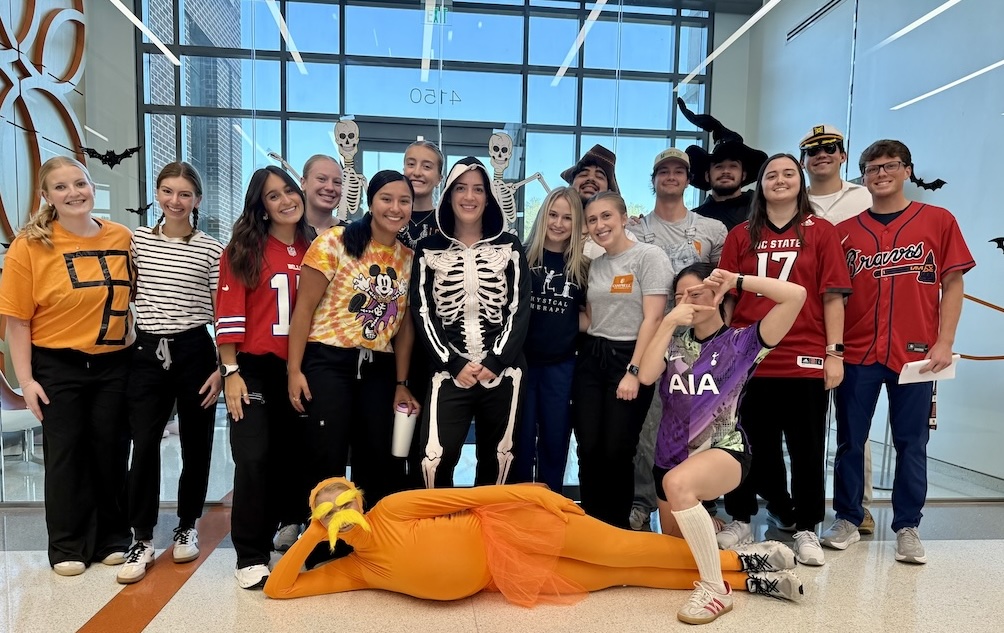

More than 450 Campbell University healthcare students came together Oct. 14 for a day of learning designed to promote teamwork and collaboration.
But in a sort of scary, creepy sort of way.
Held in Smith Hall, Haunted Hospital at the Creek brought together students from the College of Pharmacy & Health Sciences (CPHS) and the Jerry M. Wallace School of Osteopathic Medicine (CUSOM) for one of the university’s Interprofessional Education (IPE) learning activities, offered several times each year.
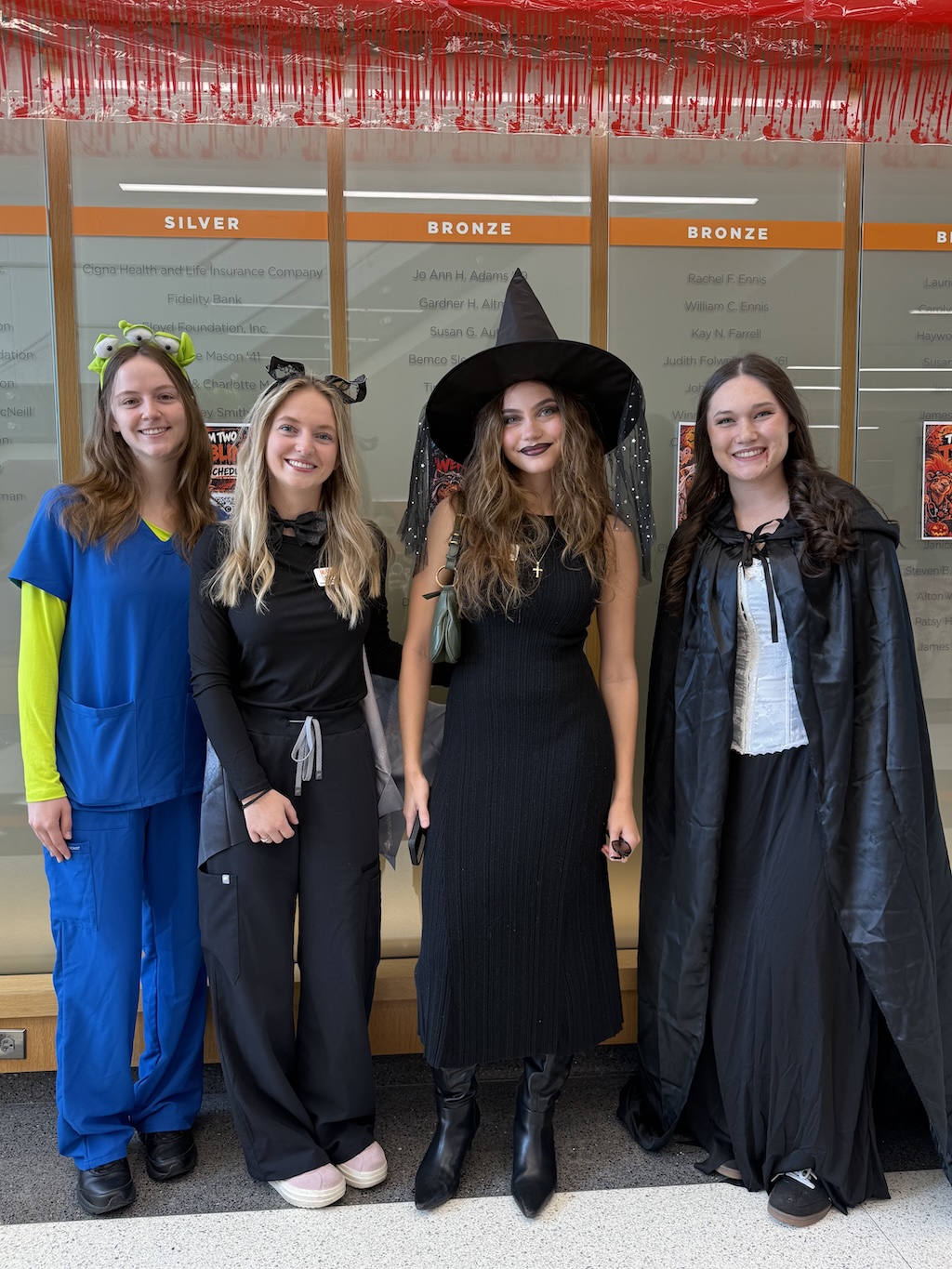
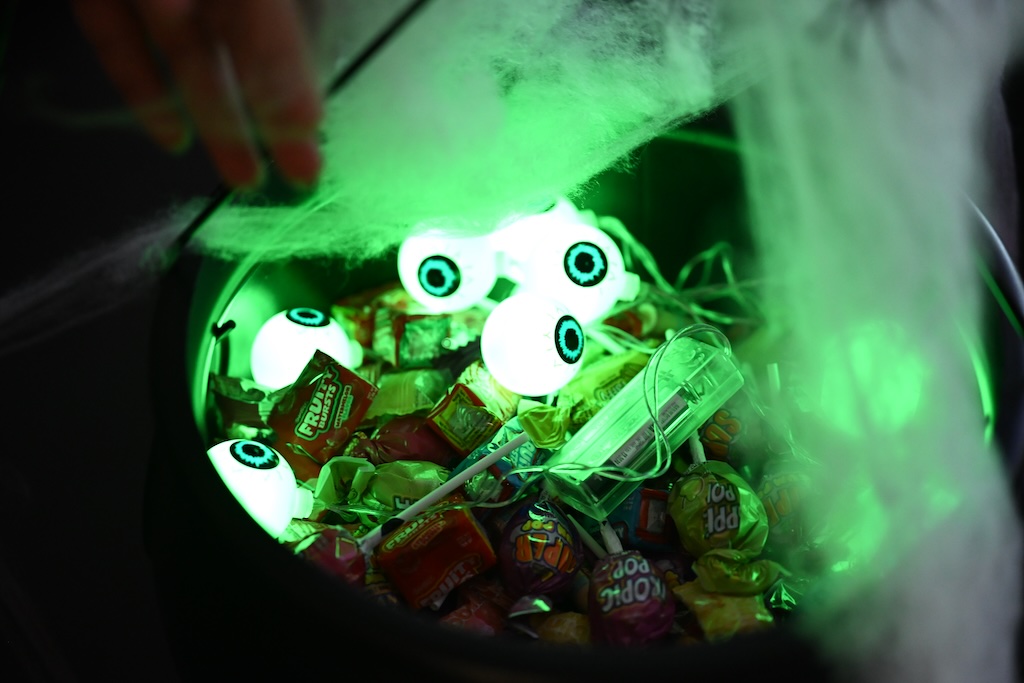
The event provided an opportunity to explore how their disciplines contribute to patient care while learning alongside future colleagues across the healthcare professions. Halloween decorations, costumes and creative scenarios helped turn familiar learning spaces into opportunities for shared discovery.
Students representing Clinical Research, Nursing, Osteopathic Medicine, Pharmaceutical Sciences, Pharmacy, Physical Therapy, PA, and Public Health worked in groups that included a mixture of disciplines. Throughout the day, they rotated through six learning stations, discussing cases, sharing perspectives and working together to solve problems.
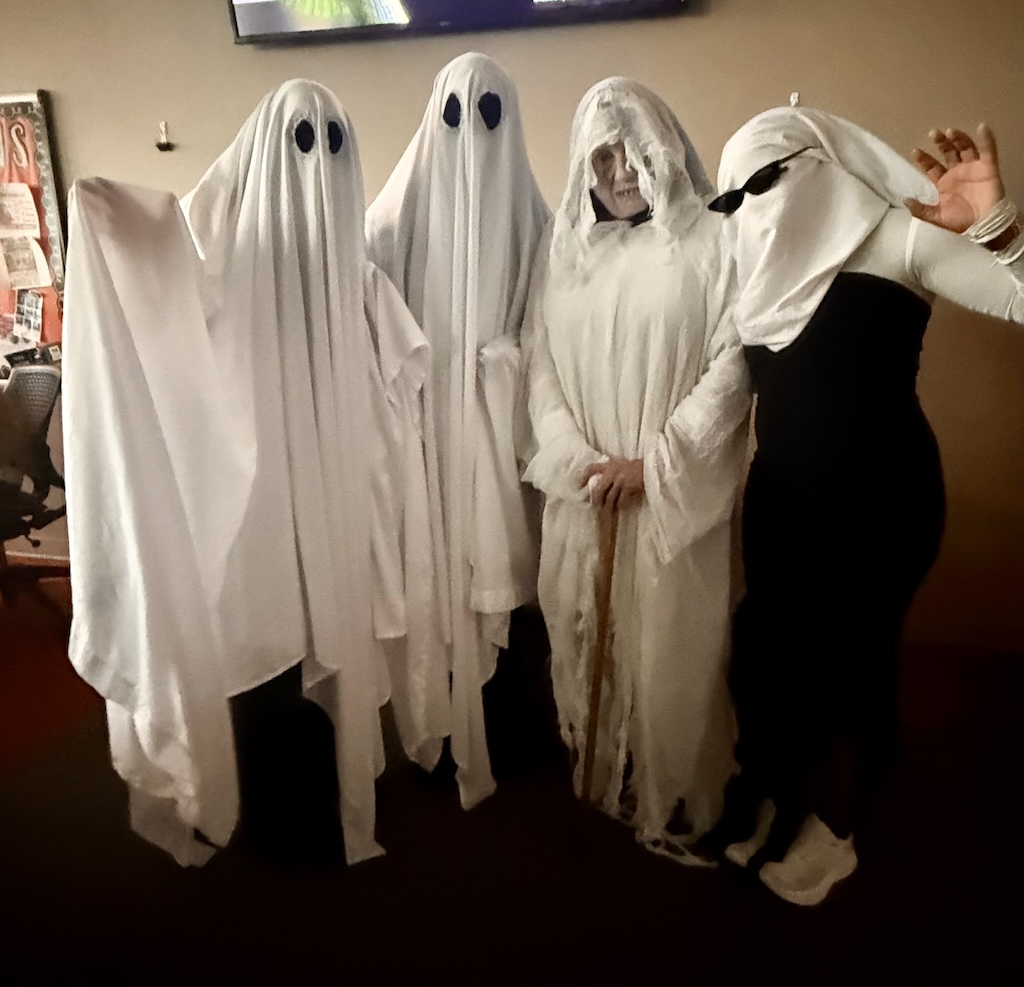
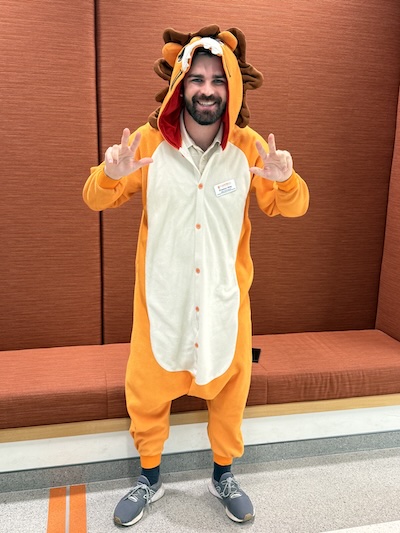
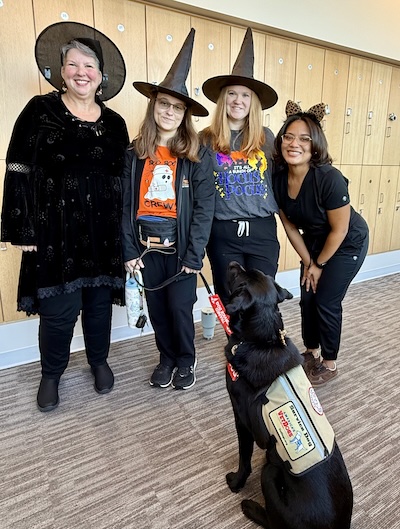
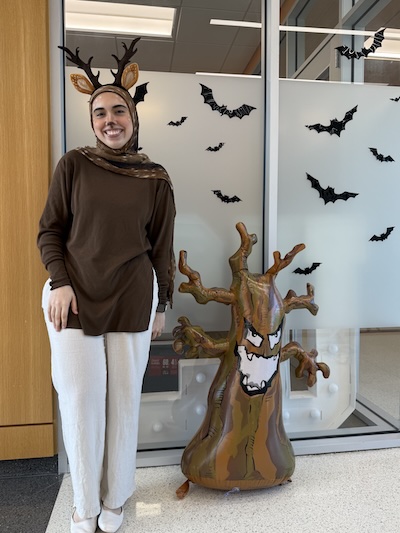
Students, faculty and staff decorated the themed rooms, and many participants arrived in costume.
“Bringing together more than 450 students across multiple healthcare programs takes careful coordination, from developing the cases and organizing student groups to preparing each learning station,” said event organizer Carmellia Webb, director of Interprofessional Education.
“That shared effort creates a valuable opportunity for students to learn with and from one another. They practice communicating, consider perspectives beyond their own discipline and see how each profession contributes to caring for a patient.”
Now in its second year, Haunted Hospital combines the fun of Halloween with the practical skills students will need as members of healthcare teams. For participants, the experience reinforces the importance of understanding professional roles, listening to colleagues and drawing on different areas of expertise.
 Dr. Wendy Wood, director of Objective Structured Clinical Examination Education and Assessment with CUSOM, serves as a medical school Interprofessional Education liaison and a member of the Haunted Hospital committee.
Although this year’s room themes differed from those used at the inaugural event, the goal remained the same.
“The whole object of this is to get the different professions to work together, to see how the puzzle pieces come together, to solve a healthcare condition a patient may have,” Wood said.
One room focused on identifying and treating snake bites, giving students an opportunity to consider an unfamiliar clinical situation together.
“It was something we hadn’t learned about yet, so it was exciting to learn how to apply that,” said Elizabeth Shingleton, a second year medical student from Raleigh.
Kathleen Jones, a pediatric trauma registered nurse and simulation coordinator in the Catherine W. Wood School of Nursing, helped bring the station to life while dressed as a snake. She guided students through identifying possible sources of a bite, including pit vipers and coral snakes, and discussed treatments, interventions and common myths.
Students explored the differences between neurotoxic and hemotoxic venom, how venom can affect different systems of the body, and what to do and avoid when caring for someone with a snake bite.
Another station asked students to unravel the mystery surrounding “Frank,” a skeleton representing a 72-year-old man who had died. His case included a history of smoking, a family history of heart disease, recent falls and a change in blood pressure medication.
Students considered how his medical history, medication and home environment could have contributed to his death. The scenario encouraged participants to connect information across disciplines and consider the broader circumstances affecting a patient’s health.
Dr. Lori Langdon, clinical chair of Pediatrics and director of the university Health Center, helped facilitate the sessions and emphasized the importance of working beyond individual professional boundaries.
“We all practice medicine based on all of the strengths and skills and contributions of all the colleagues and the other schools,” Langdon said.
For Maren Parnell, a first-year Physician Assistant student from Greensboro, the opportunity to hear how other students approached a case was particularly valuable.
“Especially … PT students, because they do things so differently from us, so it’s really cool to hear how they think about a case,” Parnell said.
Bria Thomas, a first-year Physician Assistant student from Raeford, welcomed the chance to connect with students outside her program.
“It’s nice to get outside of our own classroom and interact with the other programs,” she said. “It gives everyone an opportunity to learn from everybody else.”
Participants also voted for rooms in four categories, recognizing the creativity, humor and educational value of the experience.
“Every room brought creativity and valuable learning to the experience,” said Webb. “Our faculty, staff and students put so much thought into making each station engaging and informative, giving students opportunities to learn from one another and see patient care from different professional perspectives.”
The top vote recipients were:
- Spookiest Room: Pharmaceutical Sciences, followed closely by Pharmacy
- Funniest Room: Nursing
- Most Creative Room: Pharmacy
- Most Informative Room: Physical Therapy
Through shared cases, conversation and a little Halloween creativity, Haunted Hospital helped students practice an essential part of their future work: bringing their individual knowledge together to care for patients.