
Library’s 16th annual event coincides with lead up to inauguration of Campbell’s sixth president
Women make up a small percentage of death row inmates in the United States — only 2 percent — yet their prosecutions have revealed shortcomings in the nation’s judicial system rooted in gender bias.
That bias has been both a benefit and a burden to women facing the death penalty in recent years.
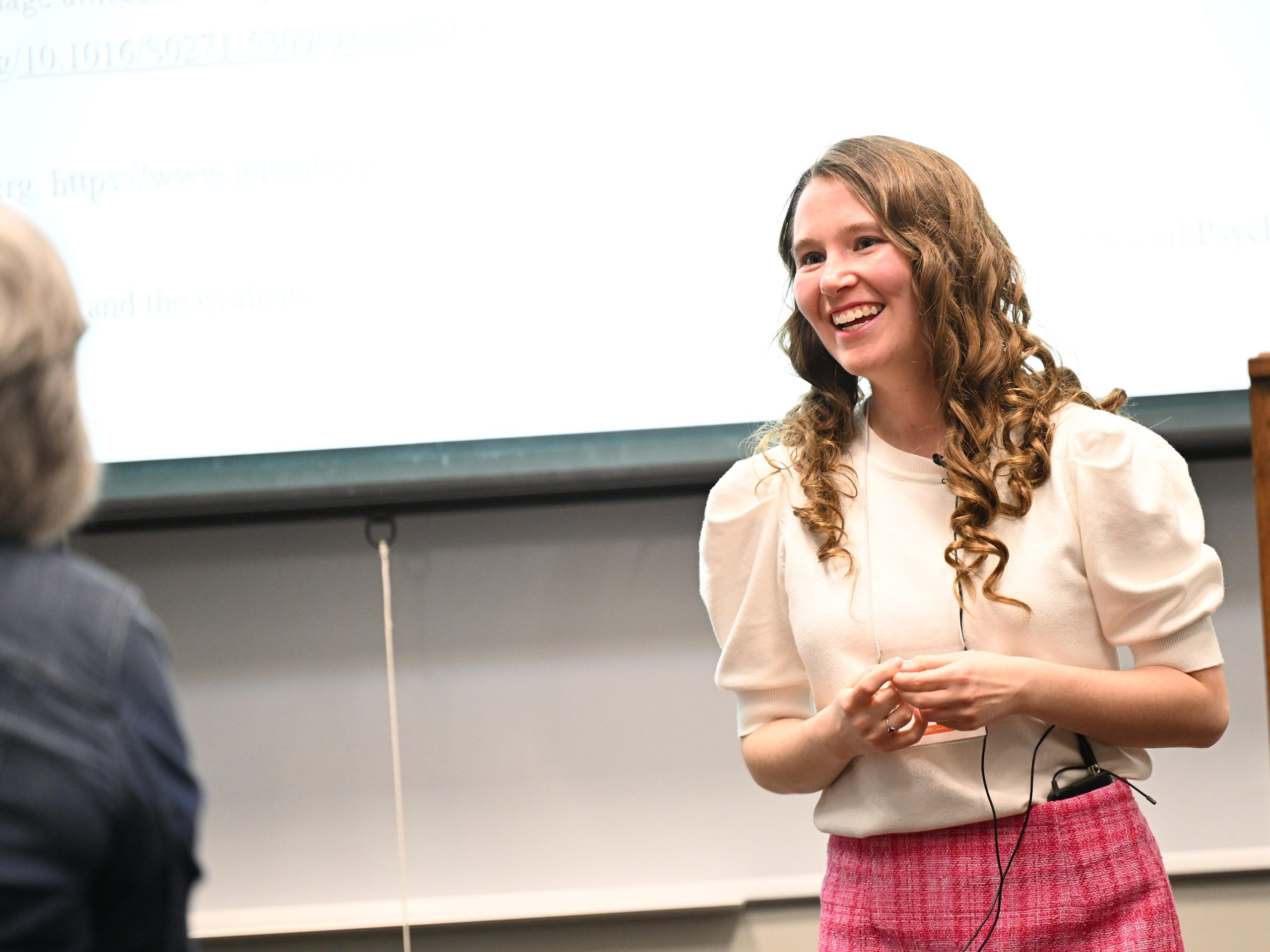
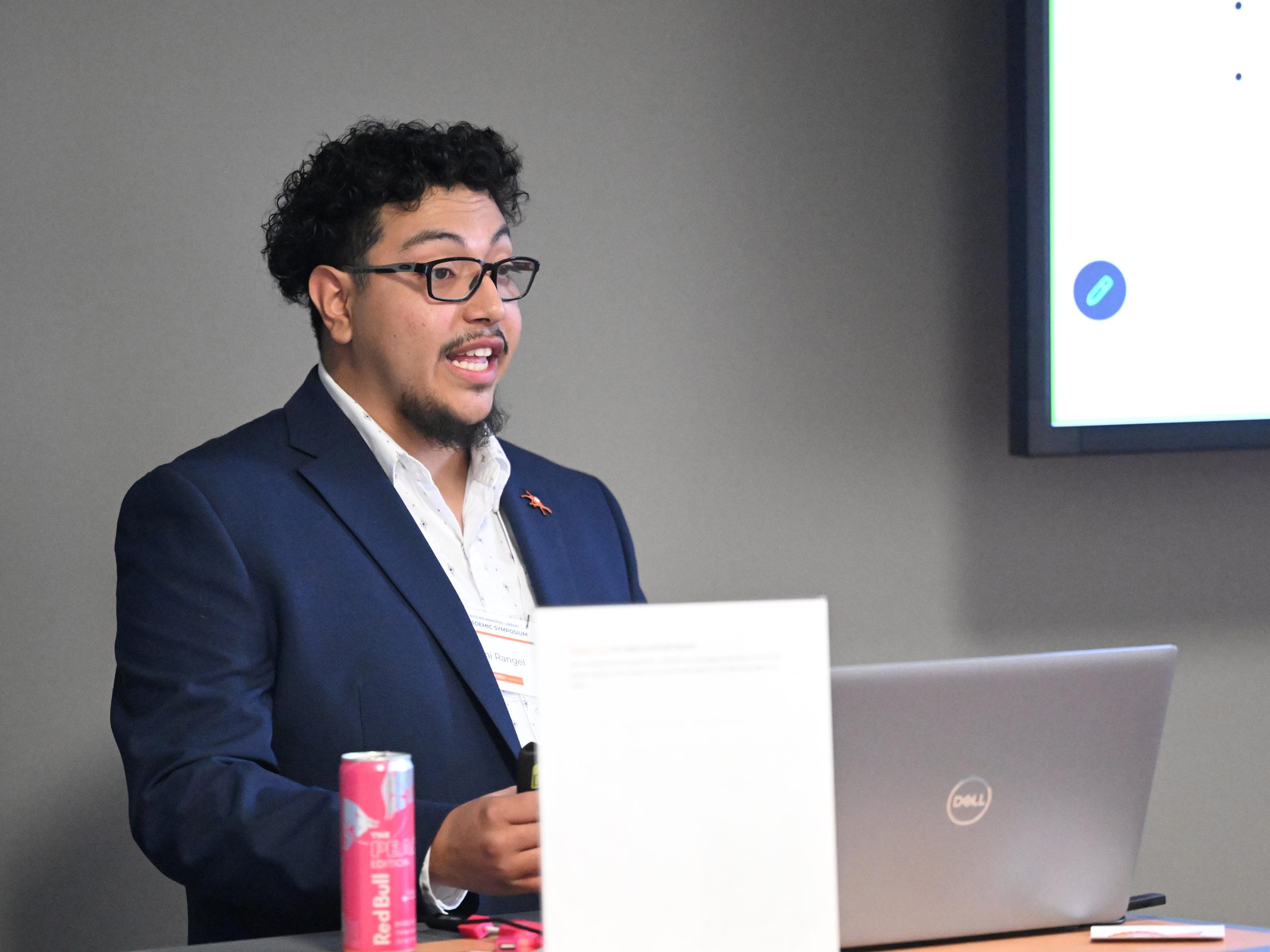
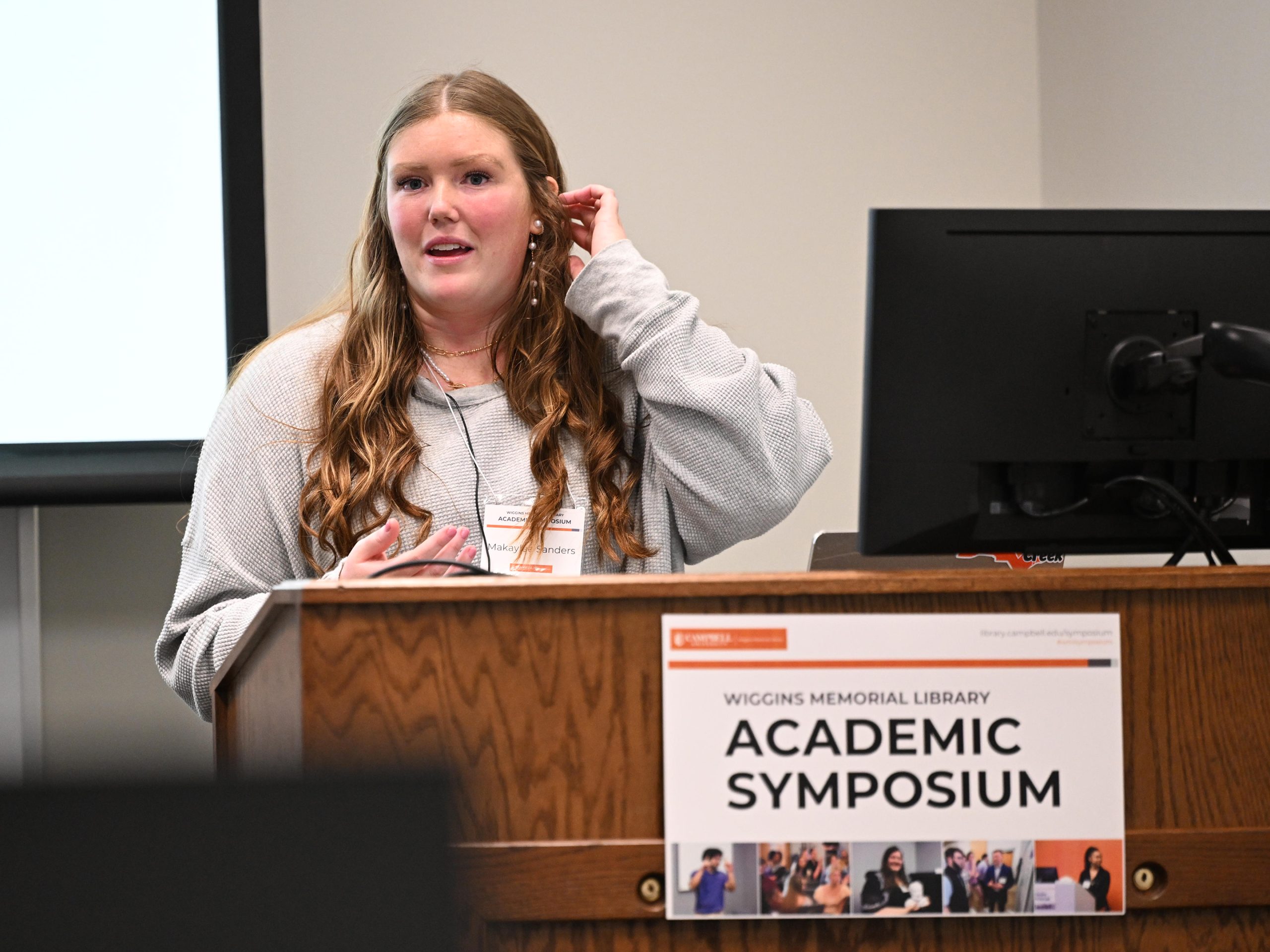
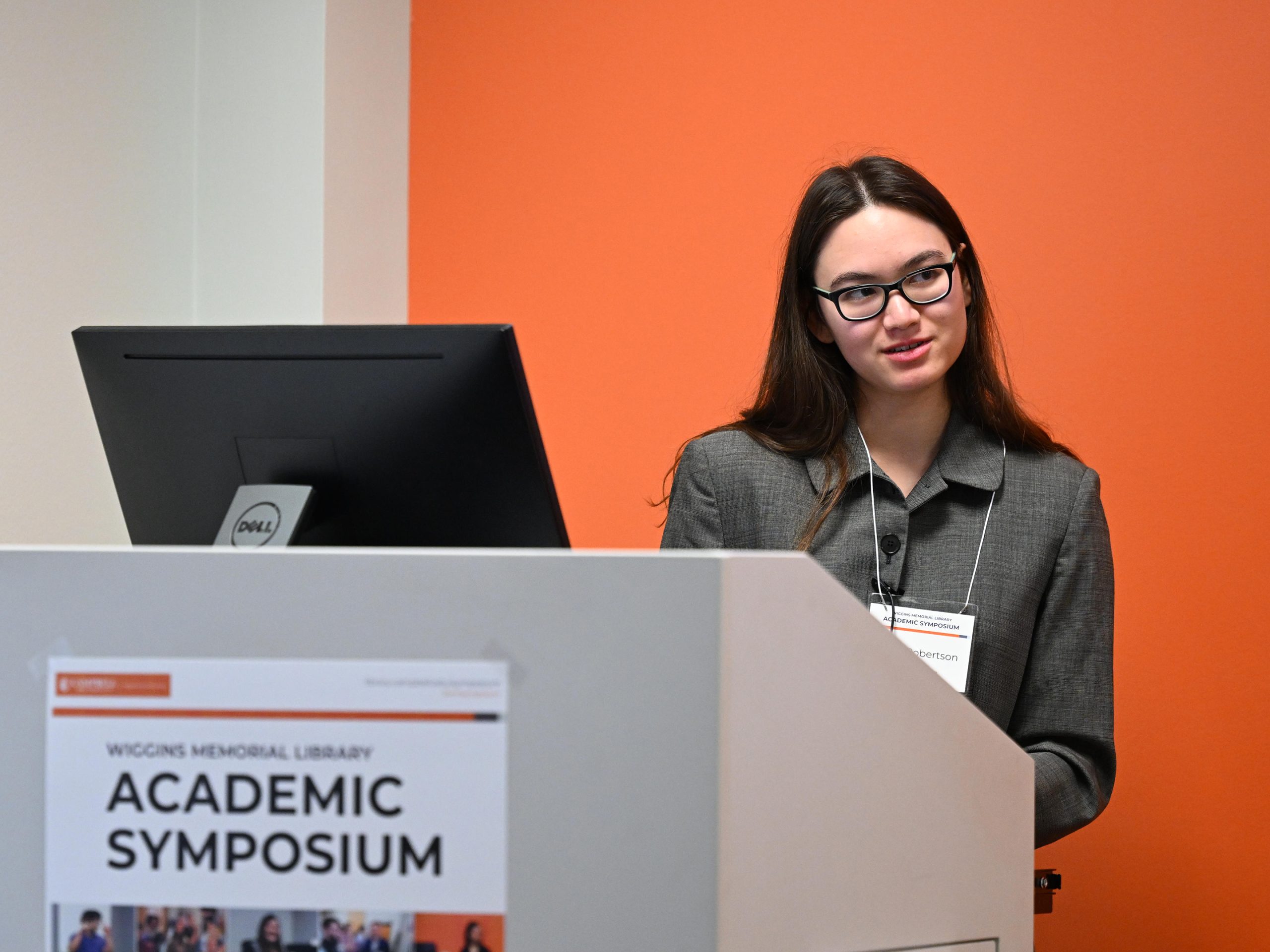
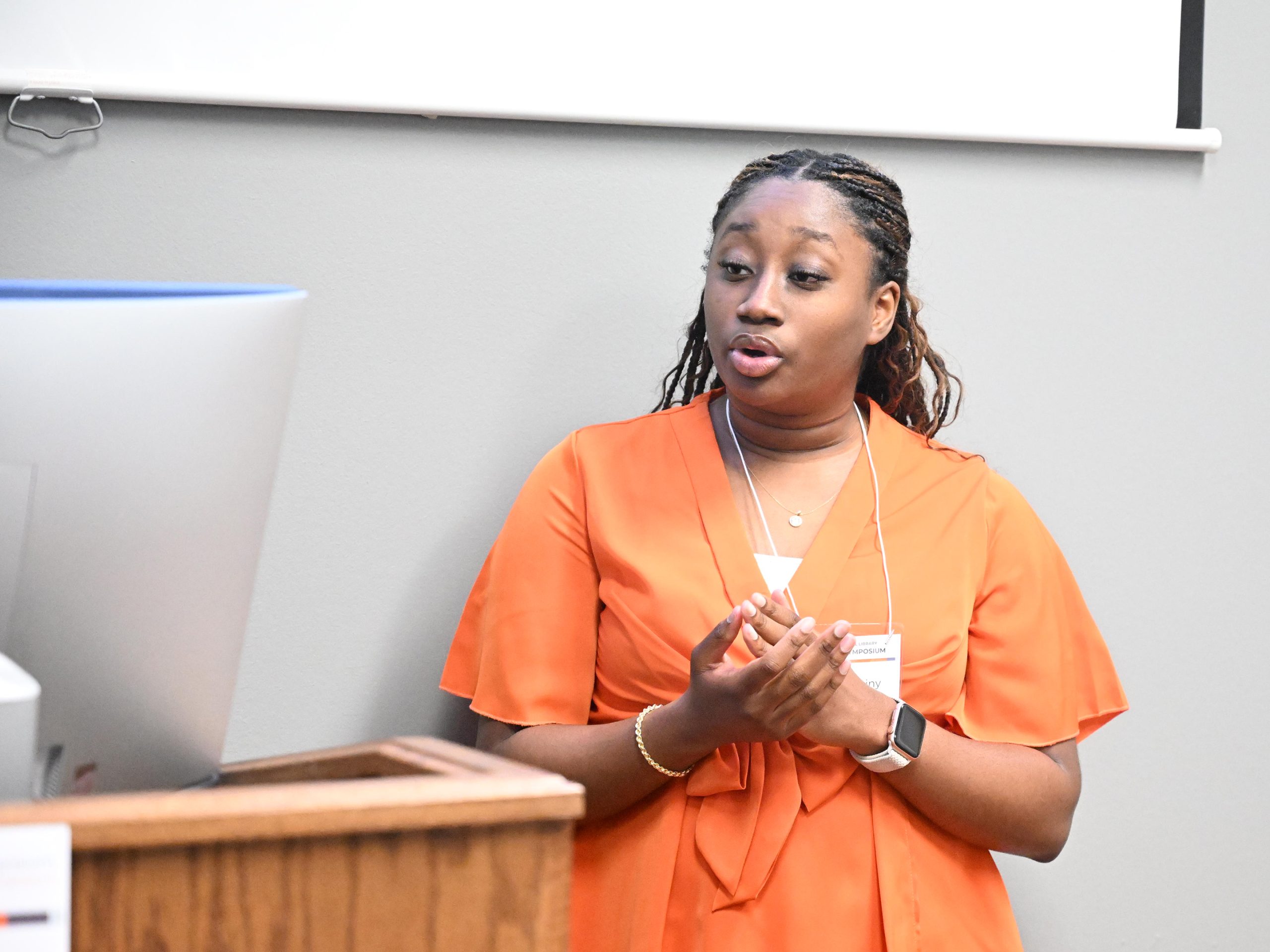
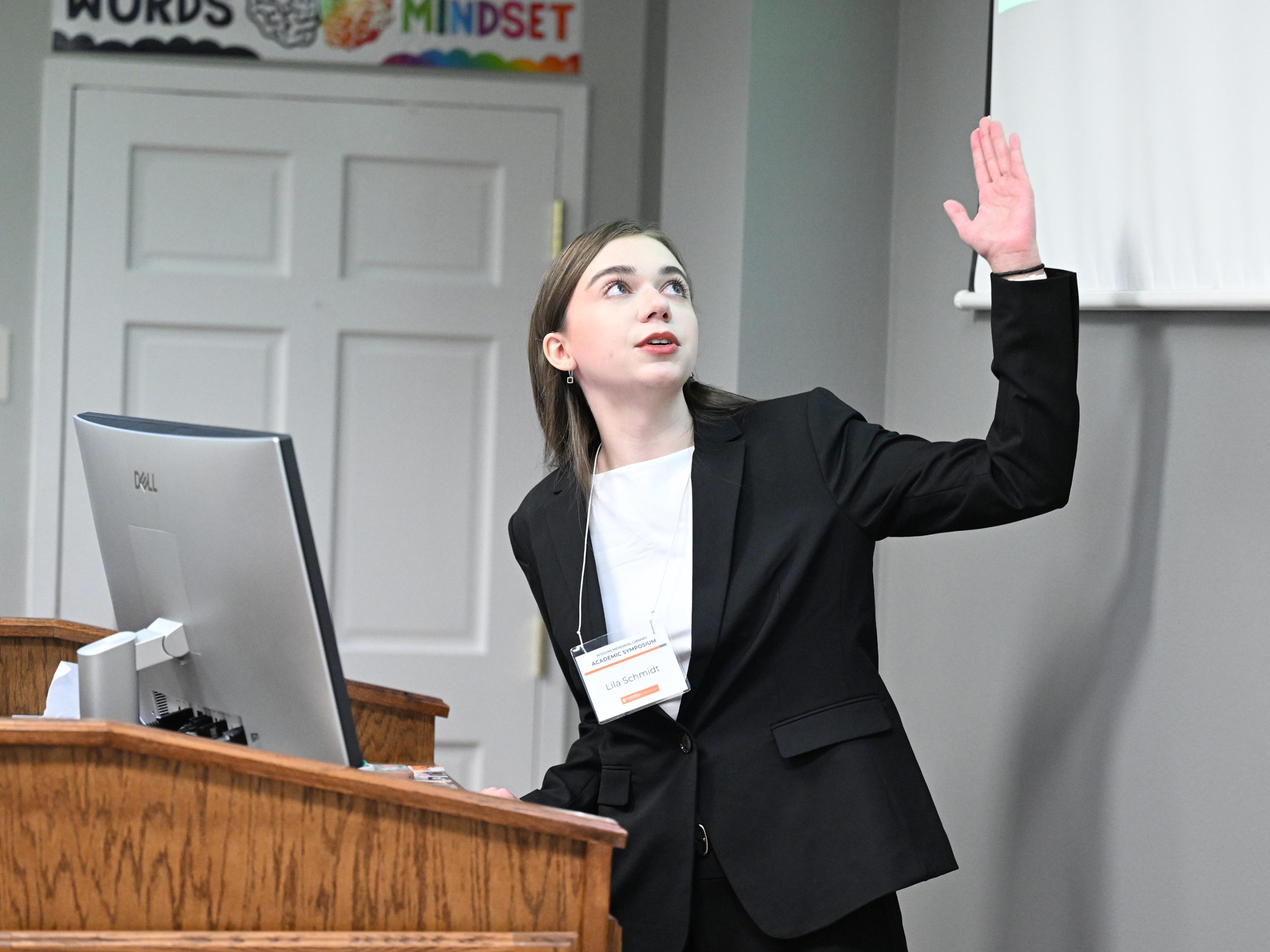
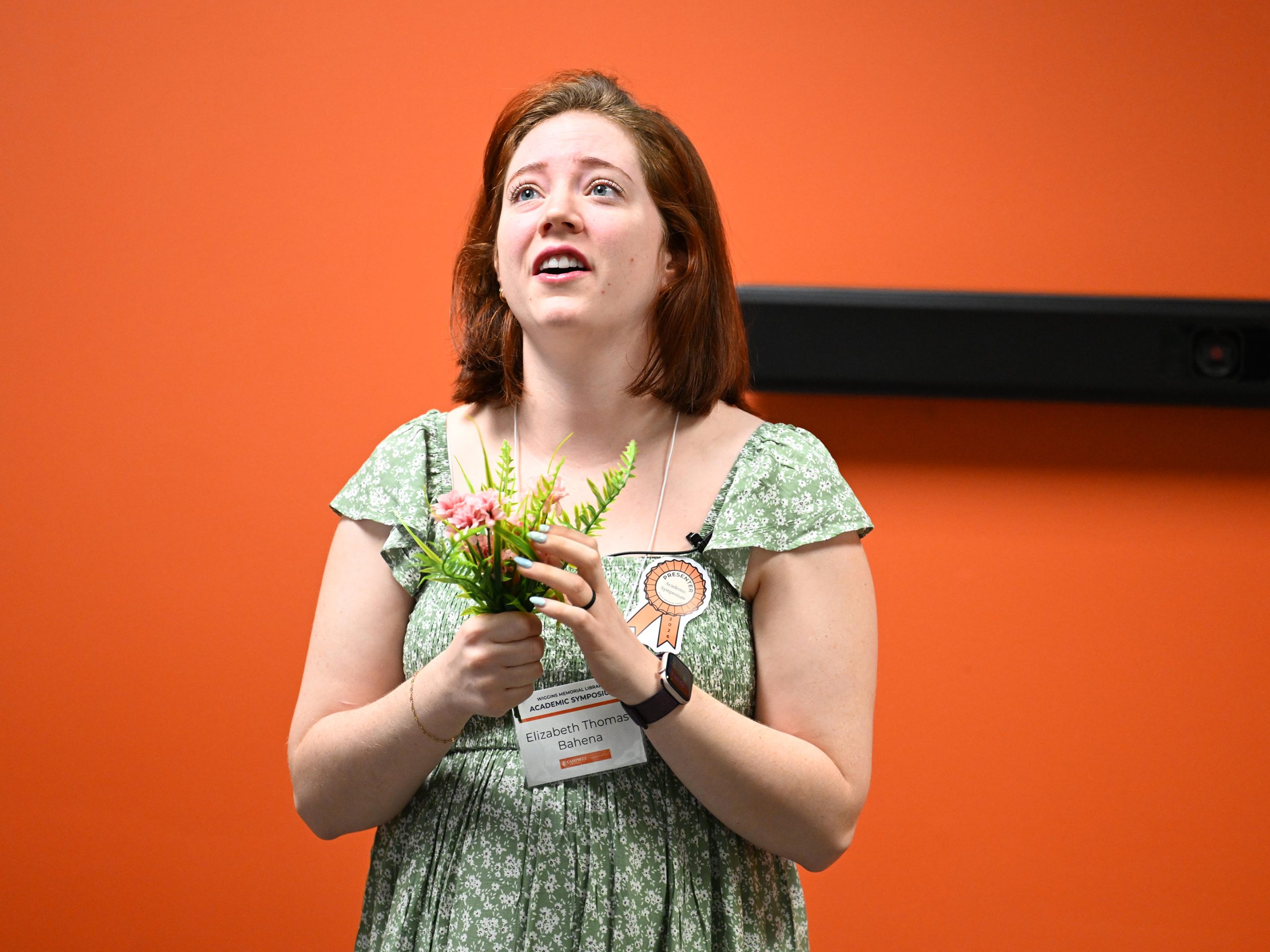
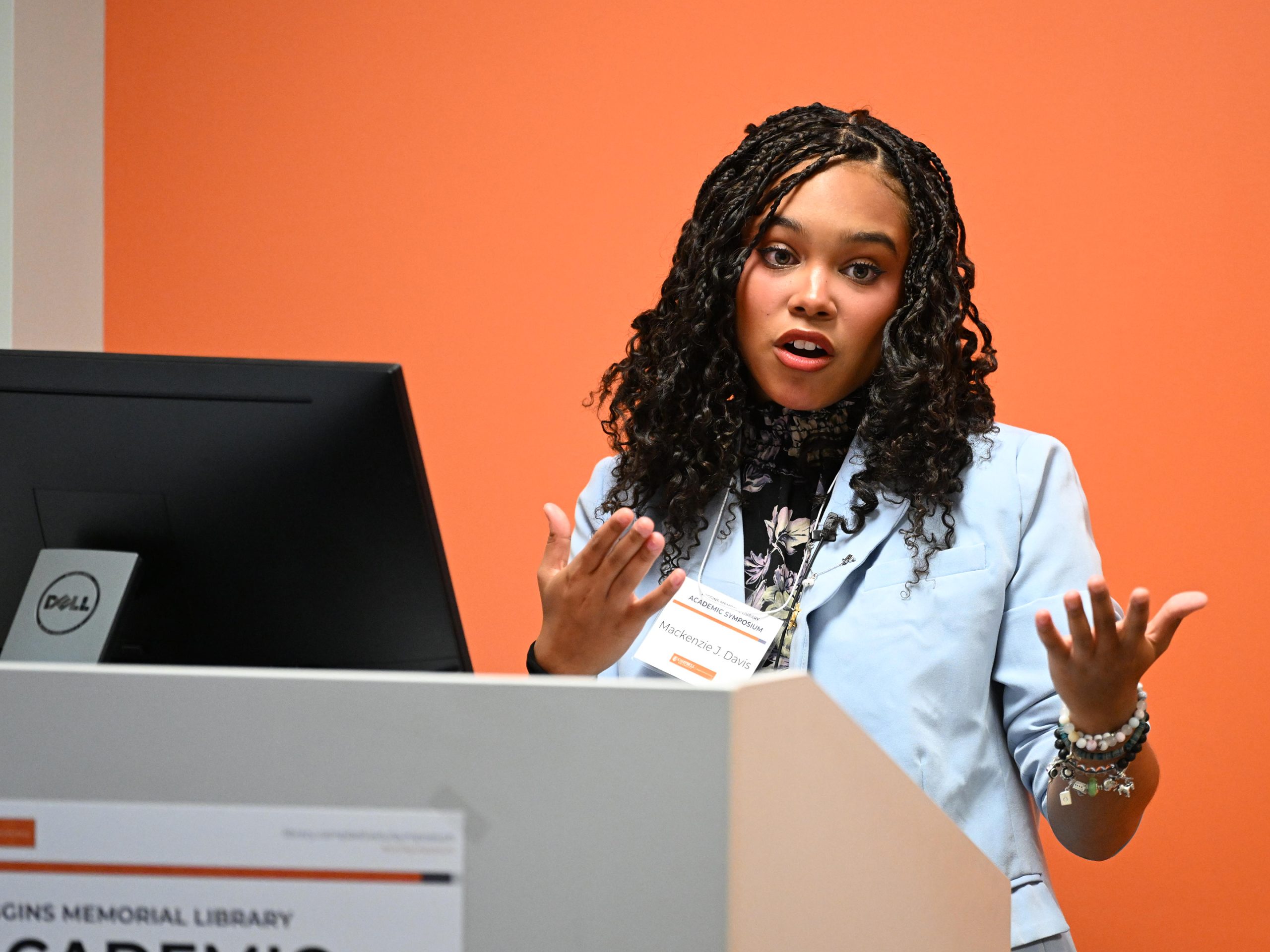
That history has fascinated third-year Campbell Law School student LeAnn Cain, one of the early presenters in Tuesday’s Wiggins Memorial Library Academic Symposium, which featured nearly 200 undergraduate and graduate students mentored by about 75 Campbell professors over the two-day event. The symposium coincided this year with Inauguration Week for Campbell President Dr. William M. Downs, who delivered the keynote address later in the day prior to the Symposium’s awards ceremony.
Cain’s presentation, “When Women Bear the Ultimate Responsibility: Gendered Blame in Capital Prosecutions” was the lone High Merit winner in oral presentations at the graduate level, as her research found that gender-based stereotypes against women who didn’t conform to “traditional norms of femininity” resulted in hyper-villifications and dehumanization during their trials.
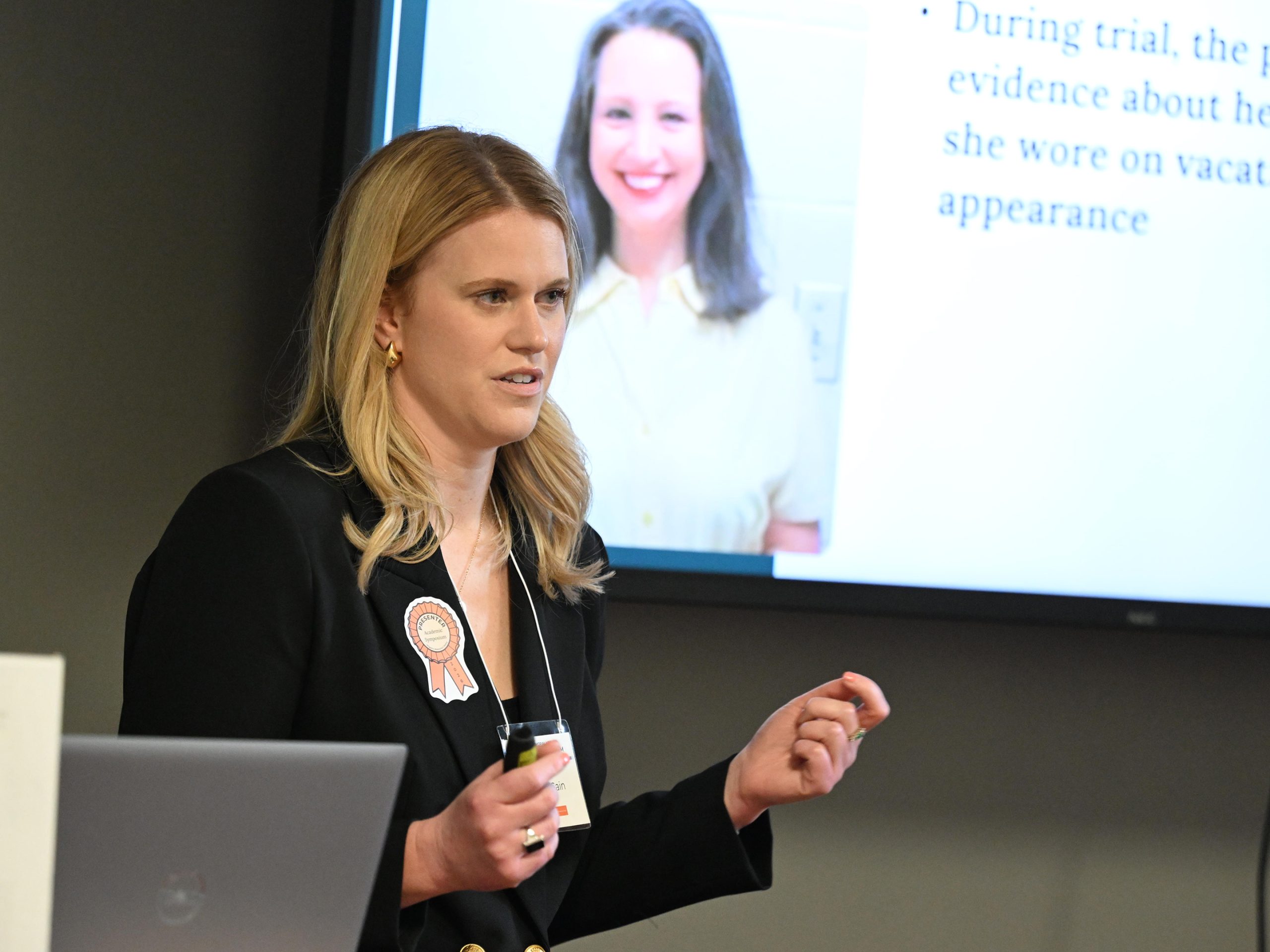
Cain said she learned a lot from the high profile cases she studied, where gender-conforming women were often “protected” by the legal system and the media while others who didn’t fit the role of wife, mother or caretaker often faced harsh criticism and received harsher penalties.
“I will better understand and recognize the bias women face,” she said. “Just because they don’t fit these certain expectations of women in society, it doesn’t always mean they’re guilty. They deserve fairness from the legal system.”
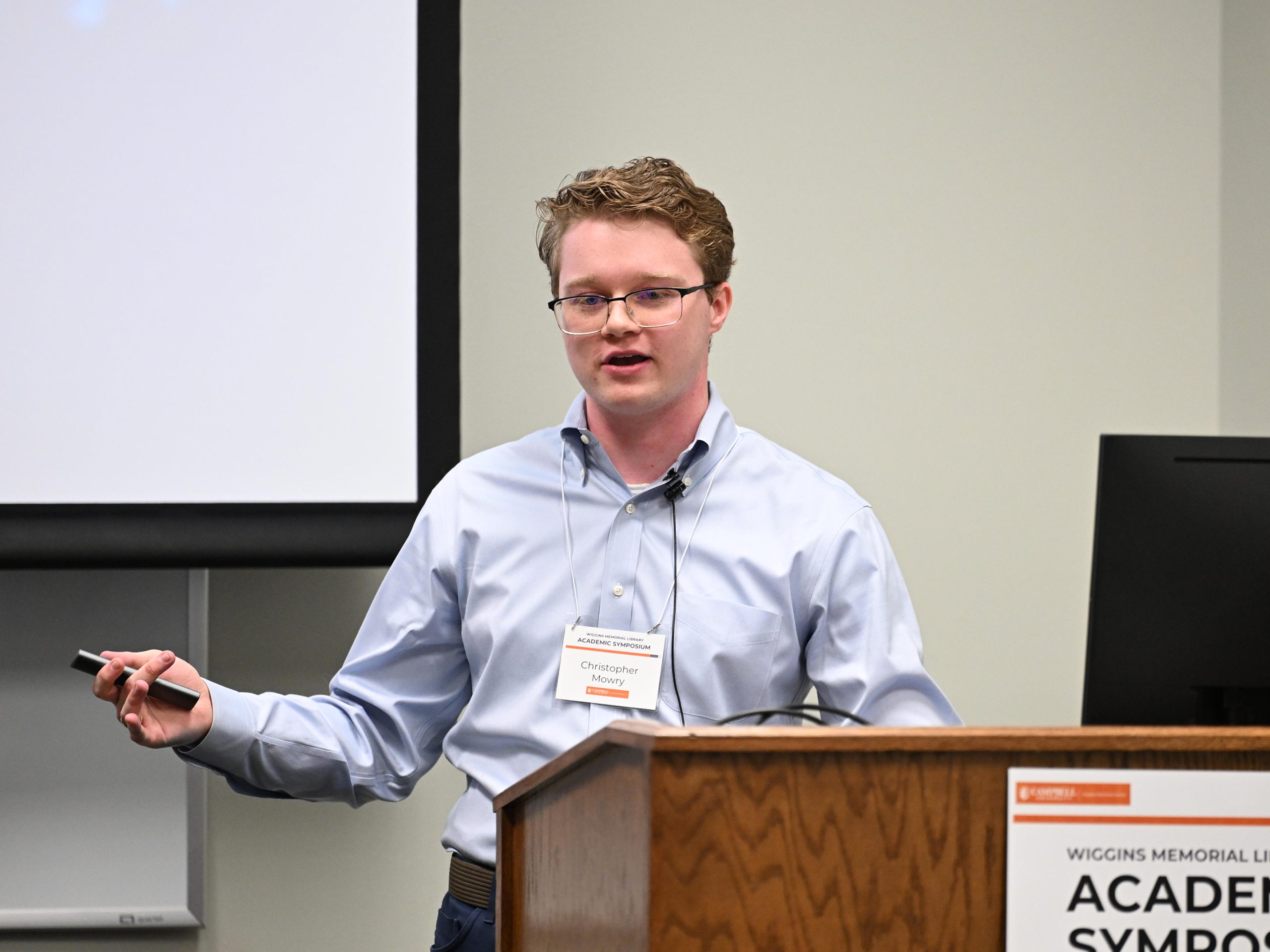
Several presentations at this year’s symposium focused on rural concerns and ways to improve rural communities. Natalie Jamison presented on the “Assets, Challenges and Future” of nearby Dunn, North Carolina, examining “the limited human and political capital in the town, as well as its strong community spirit, cultural traditions, natural resources and economic development.” Christopher Mowry presented a case study of Blowing Rock, North Carolina, looking at how the town leverages its abundant tourism capital as it faces a declining younger population. Abigail Rice focused on the small Virginia town of Fancy Gap, which unlike other towns along the Blue Ridge Parkway, is struggling with business sustainability, economic pressures and safety concerns.
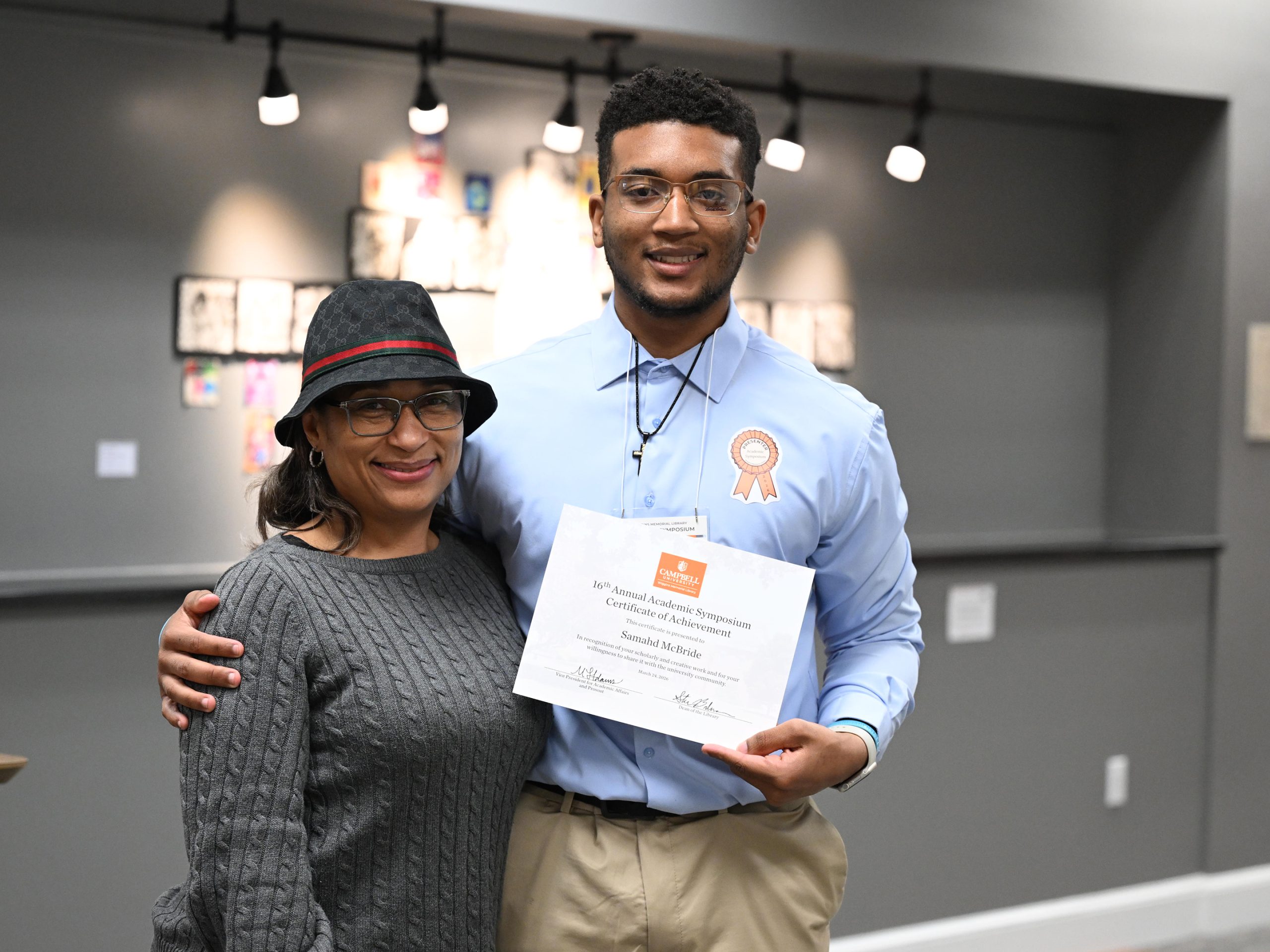
And Baker Sumner presented on her hometown of Mount Olive, the Pickle Capital of North Carolina, providing insights on its “sweet and sour” economic development and issues with sewage infrastructure.
“This presentation aligns with my interests. I’m a biology pre-med major, and I’m minoring in community leadership engagement, so both of those things are very dear to me,” Sumner said. “This research really helped me explore the areas that are more underserved in our country and taking that into account, moving forward in my education, I would really love to help those in rural, underserved areas.”
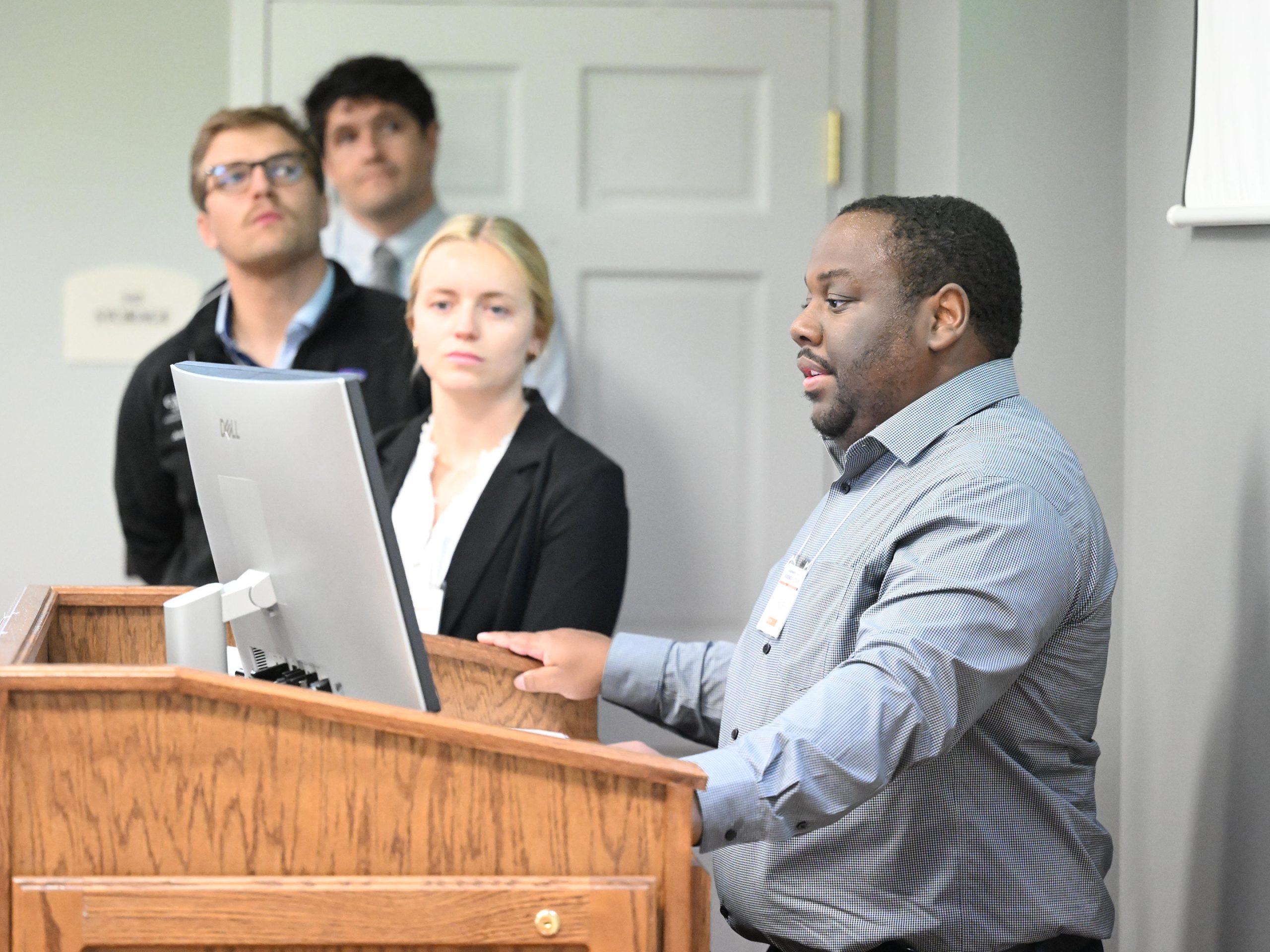
One of the more compelling oral presentations was delivered by three engineering students — Dantzler Bonner, Noah Baker and Sarah Fitzkee — who worked with physical therapy students this year to develop swimming fins for a bilateral transfemoral amputee who wished to return to swimming. The engineering and PT students collaborated to design and fabricate fins that connected to the man’s prosthetics.
The presentation on Tuesday provided a history of that collaboration and an update on their progress — at Stage 6 of the process, they’ve found a design the man is comfortable with and will continue to improve on it throughout the semester.
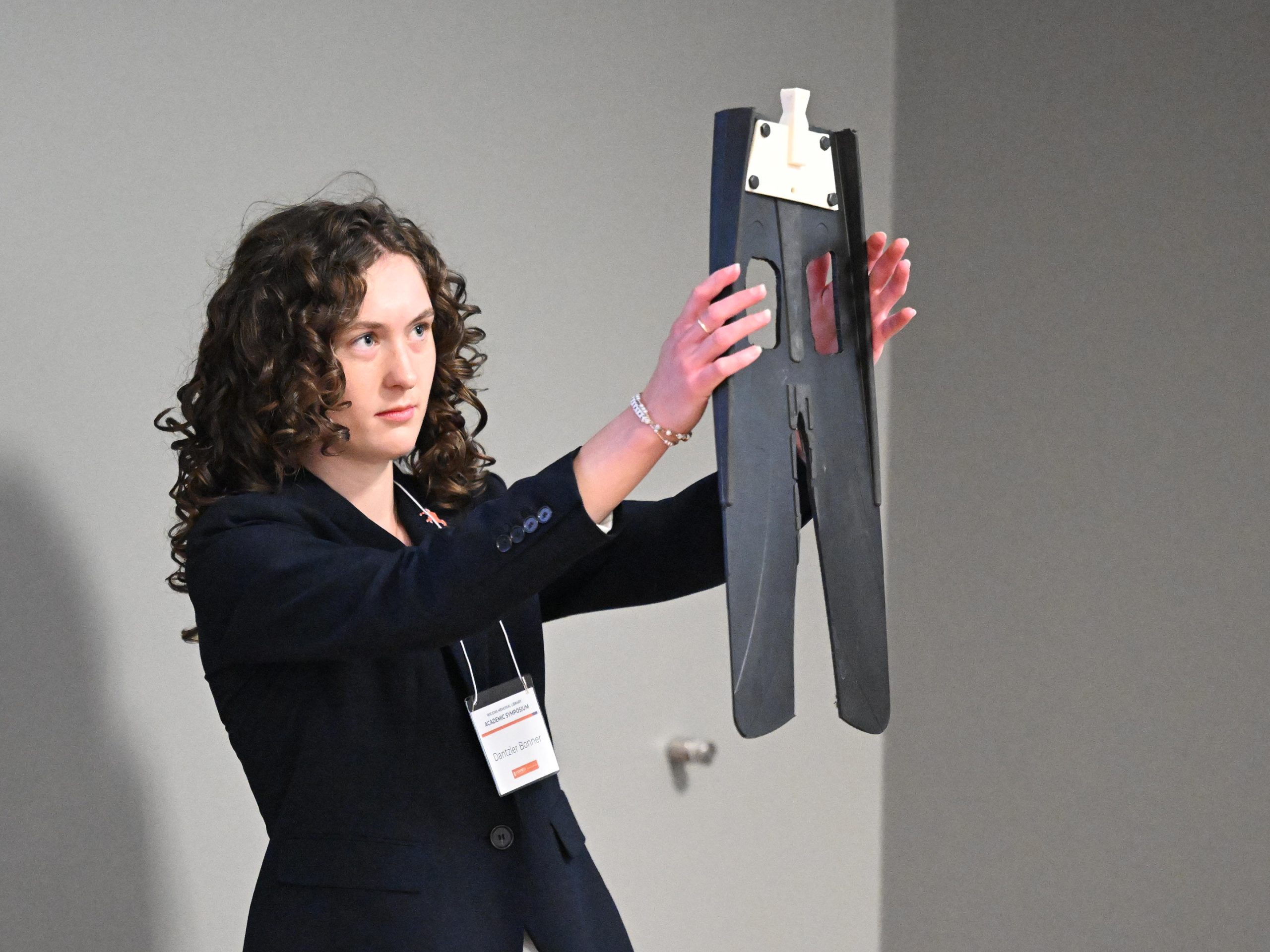
Fitzkee said the project not only provided important experience working in an interdisciplinary setting with health science students, it provided an opportunity for all of the students involved to work on something important that will benefit at least one person and, hopefully, many people down the line.
“In engineering school, we’re taught to see things as very quantitative,” she said. “In working with the [physical therapy students] in this, we all had to look at it from a different angle and not exactly ‘quantify’ the results, but rather, adjust based on the man we were doing this for. We’d ask him, ‘How do you feel about this? How does this work?’ And just getting his opinion helped a great deal, and it caused us to change our mindset on ways that we can get the best results.”
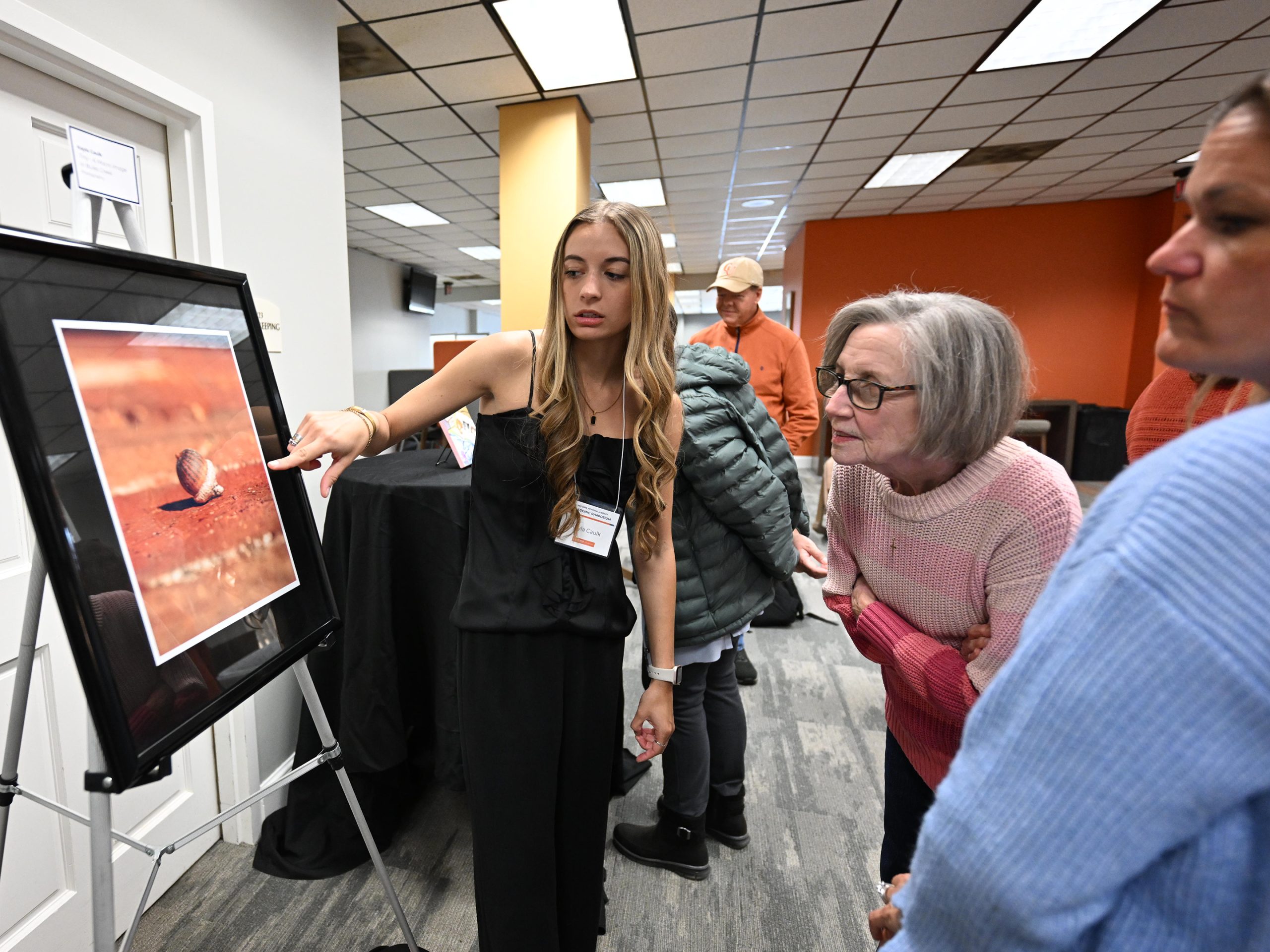
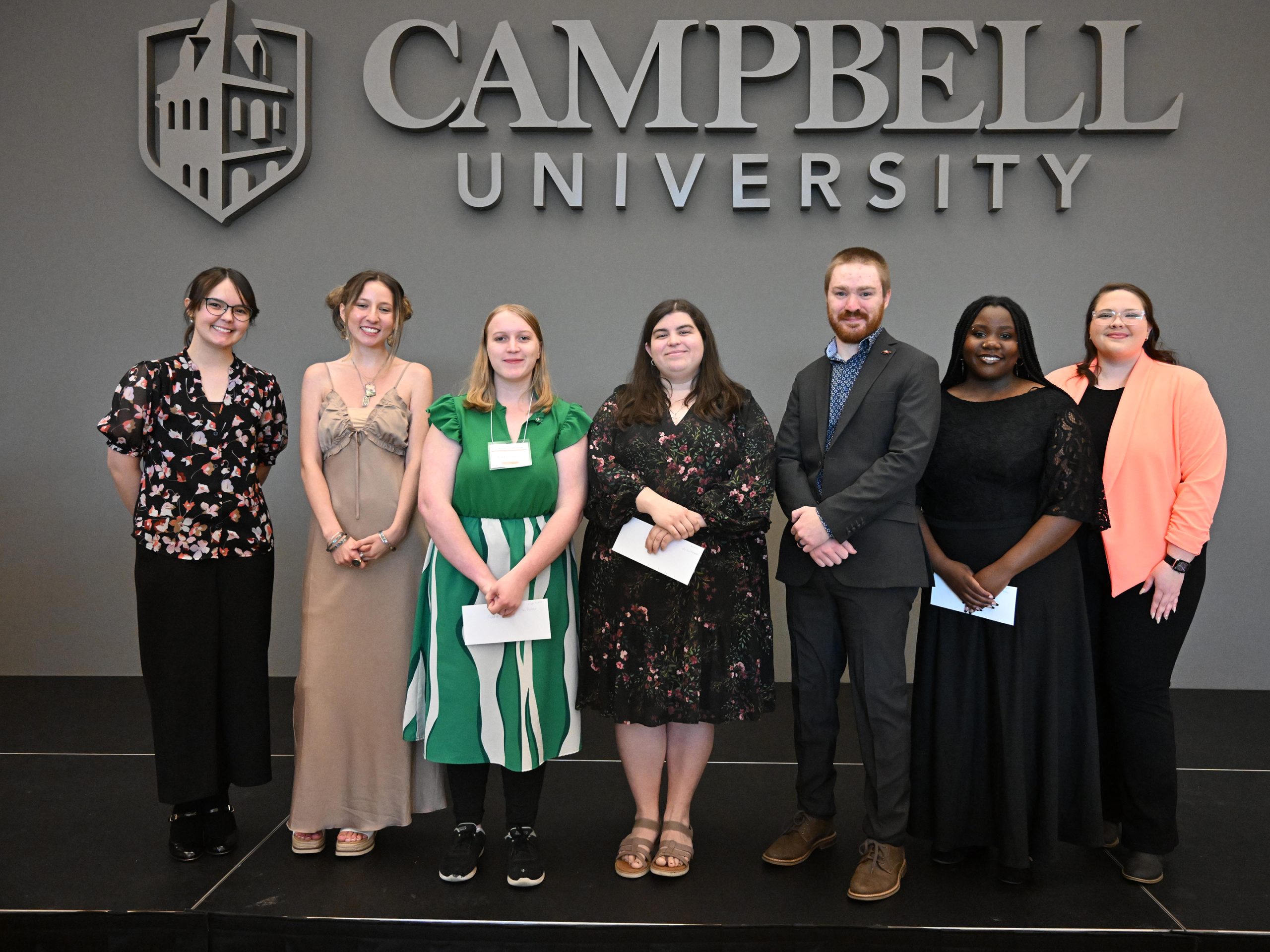
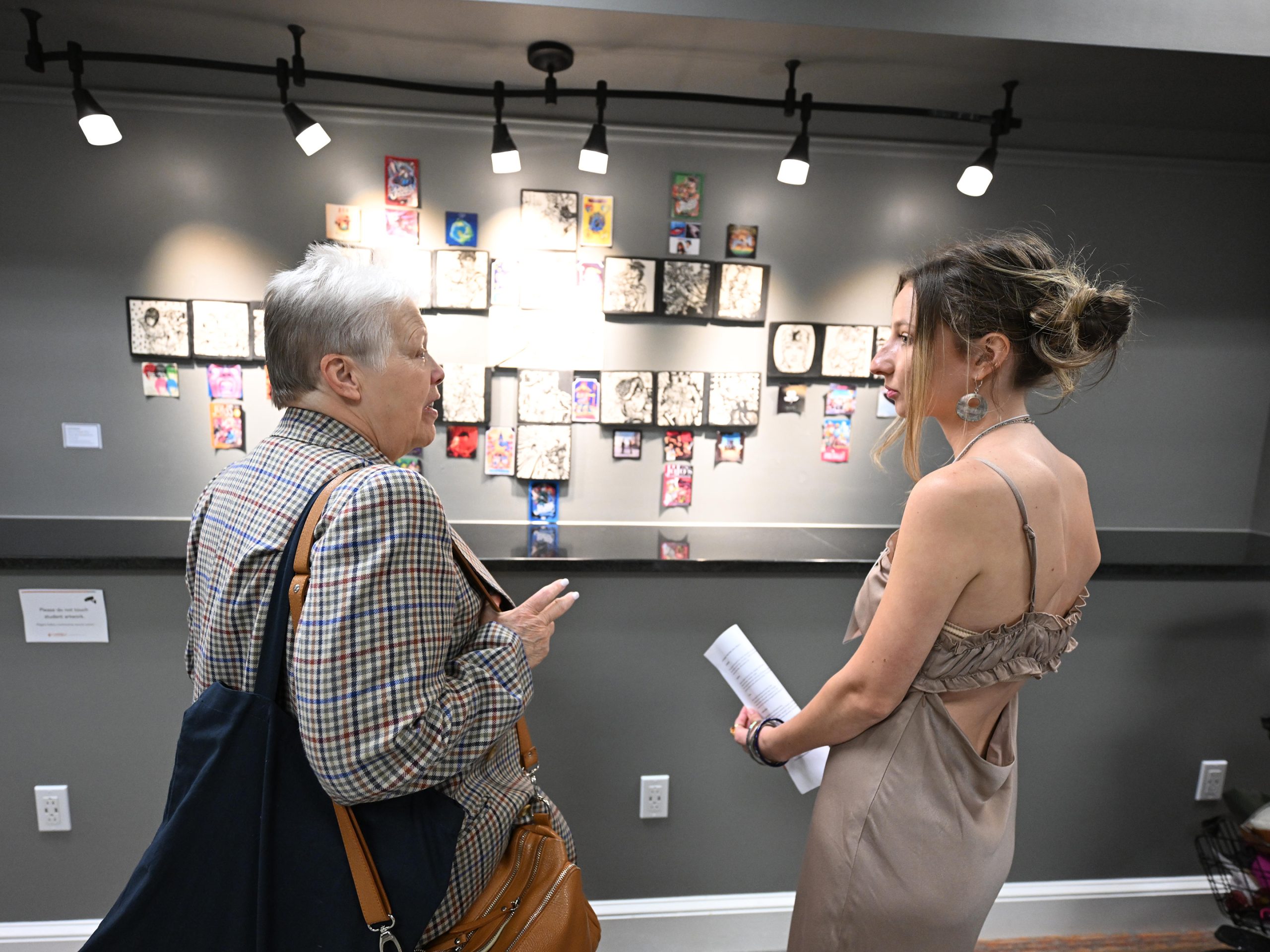
Oral presentations were delivered in Wiggins Memorial Library throughout the morning on Tuesday, and the student art exhibit began in the afternoon. Coral Burke’s large-scale ceramic mosaic reimagining characters from the Japanese manga “JoJo’s Bizarre Adventure” took home a “High Merit” honor with works by Kayla Caulk and Susannah Young earning Merit awards.
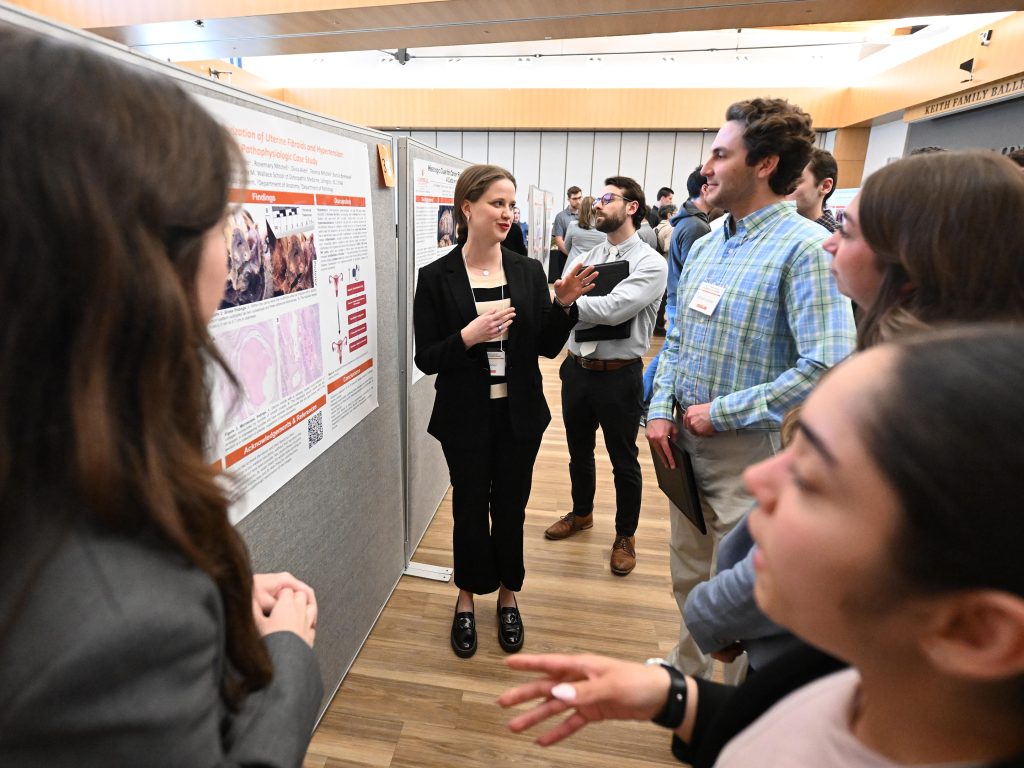
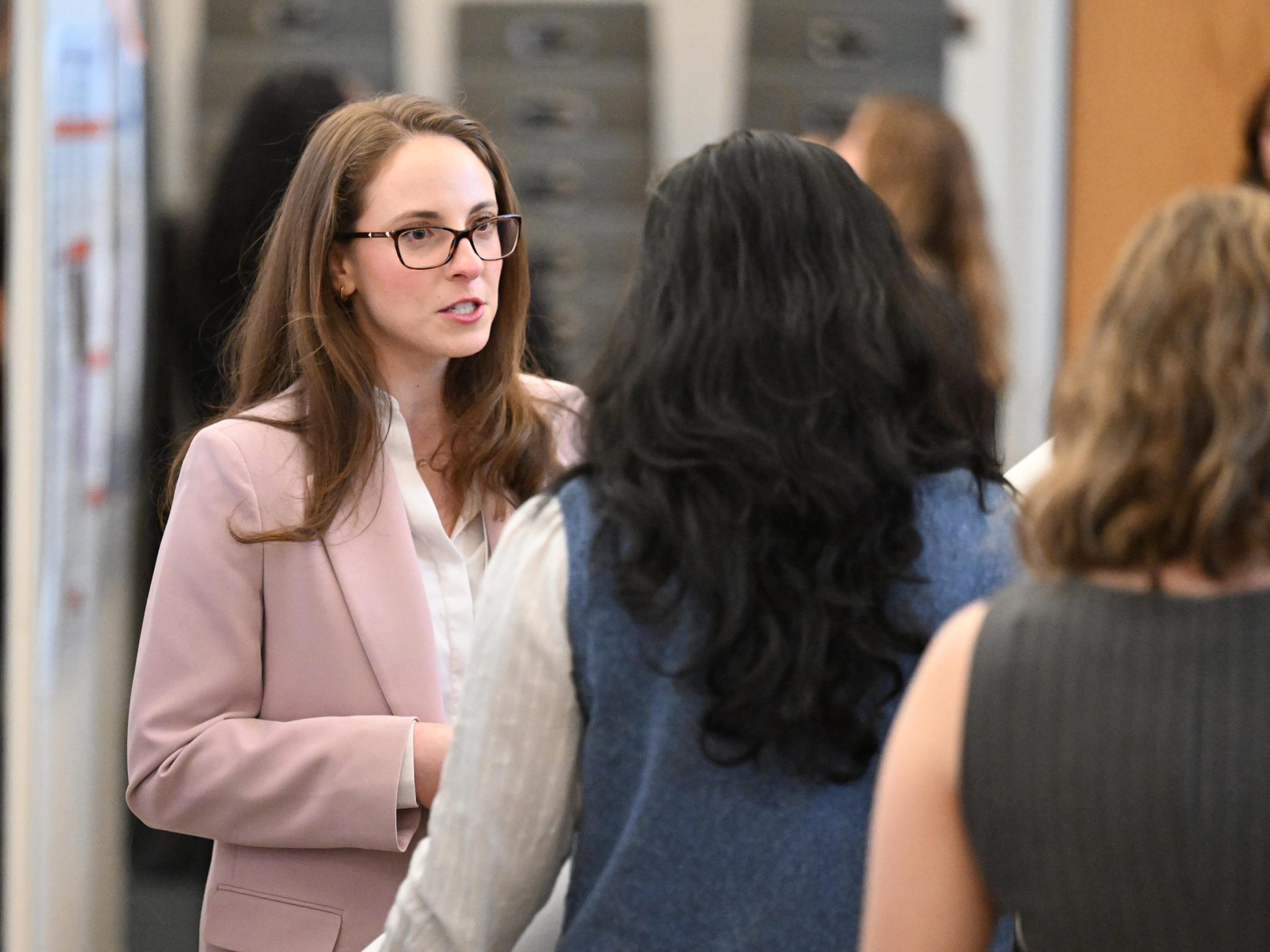
Poster presentations were on display later in the afternoon in the Oscar N. Harris Student Union’s Keith Family Ballroom. Ainsley Forest’s research on vaping and its increased risk of causing blood clots examined a 45-year-old man with a recent history of heavy vape usage. Forest, a second year student in the Jerry M. Wallace School of Osteopathic Medicine, said she focused on the subject, because of vaping’s popularity and the lack of research that’s gone into its dangers.
“We’ve learned about the risk of stroke associated with cigarette usage, and I asked my professor if there was any sort of similar association with vaping,” Forest said. “There’s not a lot of research in this area, and there’s a lot of recent history of people who vape regularly developing clots. I’m presenting today to contribute to that body of evidence.”
Jocelyn Alpizar’s poster examined how university greenspaces can impact student well-being and environmental health. She was a driving force to establish Honey Hollow Garden near Campbell University’s main campus — a project that combines ecological restoration with “forward-thinking design strategies” to address issues such as flooding, biodiversity loss and underutilized space. Alpizar said her research was both a learning experience and a passion for her.
“This became a hands-on project taking space that was forgotten on campus and creating something meaningful, something that we can track wildlife return with,” she said. “And it’s something that will be here hopefully long after I’ve graduated and left Campbell.”
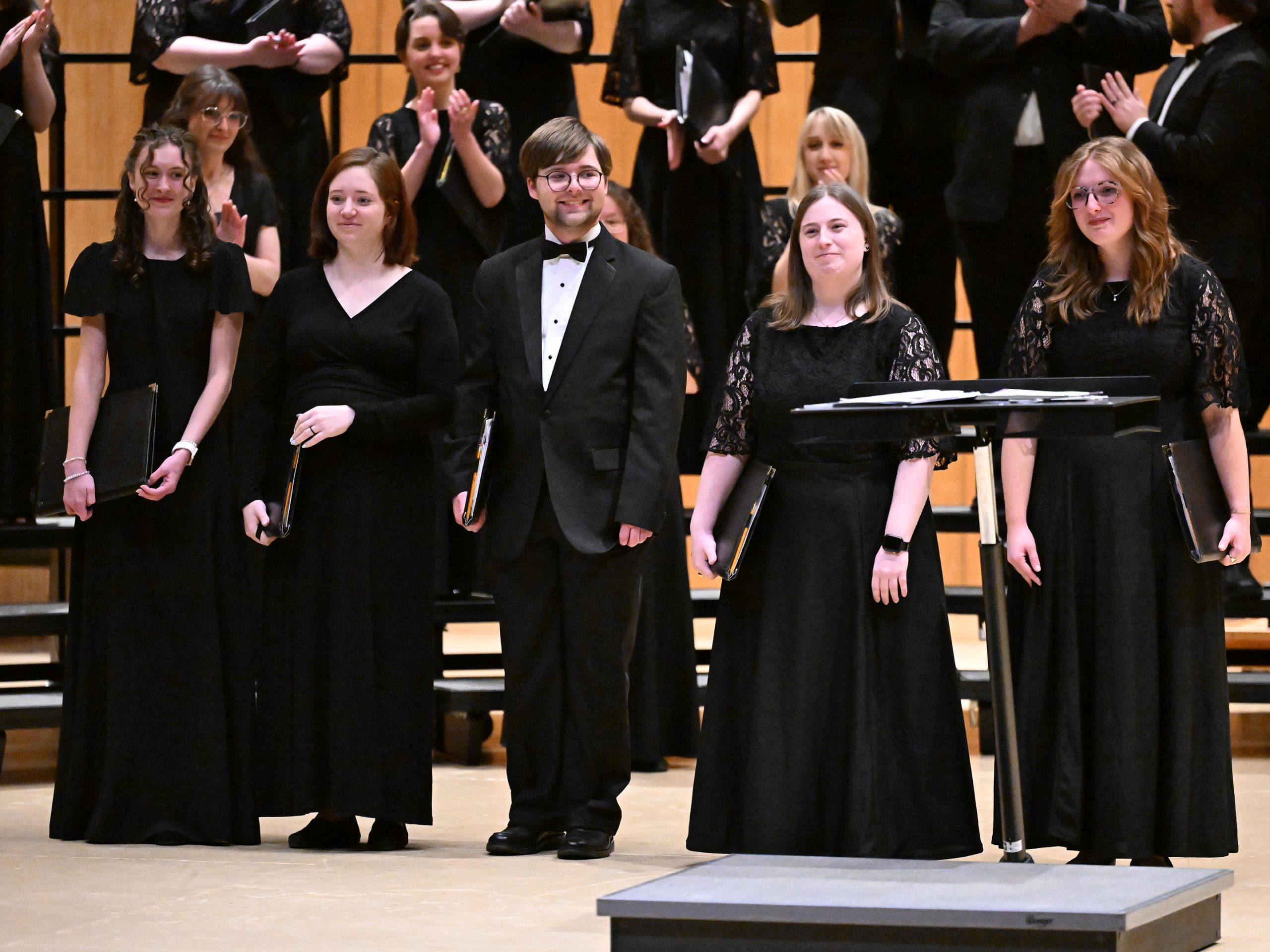
In his keynote address prior to the afternoon’s awards ceremony, President Downs shared his own experiences — from middle school and beyond — in scholarly research and said he enjoyed his first glimpse of student-led (and faculty-supported) research at Campbell.
“I got a glimpse of the intellectual appetite that is here on this campus, and that was fun for me to see,” Downs said. “It’s often said that today’s employers want graduates who can do three things — the Holy Trinity of coming out of an academic program. They want graduates who are critical thinkers, who are effective communicators and who are able to solve complex problems while working in teams. The projects highlighted by this symposium reflect all of those characteristics and qualities. I saw it in the projects. I saw in in the posters. I know that these essential skills have been on full display today and in the weeks leading up to this event.”
Winners from this year’s Academic Symposium are listed below and can be found online at https://library.campbell.edu/symposium2026/awards/
Online Video Presentations (Undergraduate)
Merit
- Michael McCoy, “Narrative From Nowhere: A Prisoner’s Search for Home” (Faculty Mentor: Dr. Sherry Truffin)
- Christopher Shipley, “One Confused Brother: Garth Frierson’s Take on Chris Jaynes and His Muddled State of Double-Consciousness in Mat Johnson’s Pym” (Faculty Mentor: Dr. Sherry Truffin)
High Merit
Online Video Presentations (Graduate)
High Merit
Art Exhibits
Merit
- Kayla Caulk, “Tiny – A Macro Image in Buies Creek” (Faculty Mentor: Professor Brian Bowman)
- Susannah Young, “Where the Paint Goes” (Faculty Mentor: Breck Smith)
High Merit
Oral Presentations (Undergraduate)
Merit
- Tanner Campbell, Tayler Cline, Mario Del-Angel, Noah Jackson, Christopher Rogers, “Culvert Inspection Project” (Faculty Mentor: Dr. Kim Fowler)
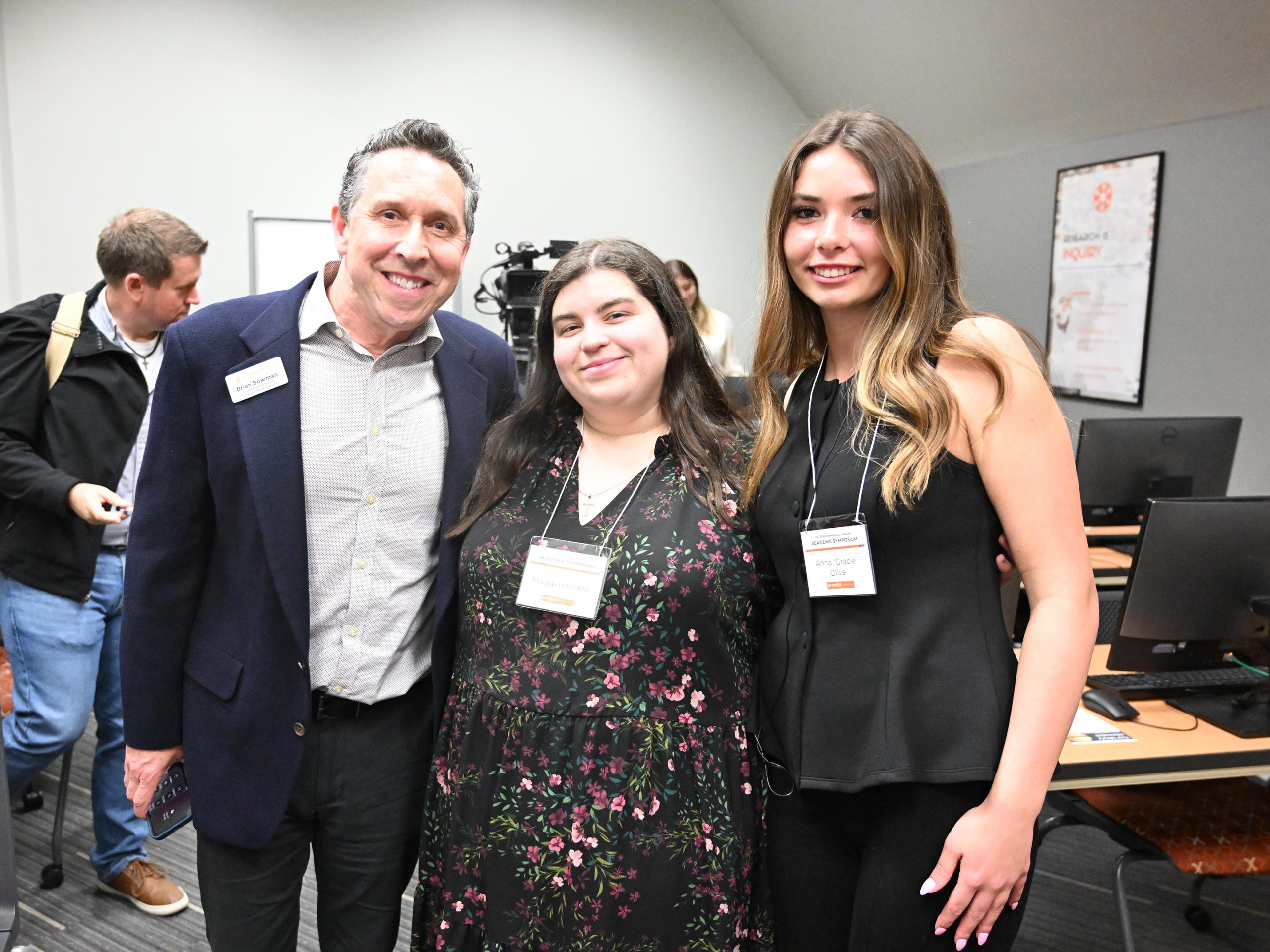
- Maggie Holden, “Is AI a better friend than you?: Replacement of Human Relationships with AI Chatbots” (Faculty Mentor: Professor Brian Bowman)
- Natalie Jamison, “More to be Dunn: Assets, Challenges, and the Future of a Rural Community” (Faculty Mentor: Dr. Justin Nelson)
- Hyunchul Lee, “Enhanced Padding Method for Playfair Cryptosysem” (Faculty Mentor: Dr. Sidong Zhang)
- Jillian Malham, “Ruling the Self, Restraining the State: Positive and Negative Liberty in Ancient and Contemporary Thought” (Faculty Mentor: Dr. Ethan Alexander-Davey)
- Christopher Mowry, “Stories From Stone: A Case Study of Blowing Rock, North Carolina” (Faculty Mentor: Dr. Justin Nelson)
- Alena Suarez, “Chemical and Incendiary Warfare in Vietnam: The Weapons, the American Public’s Response, and the Consequences” (Faculty Mentor: Dr. Jaclyn Stanke)
High Merit
- Samuel Bohlen, “Unraveling the Microbial Potential of Regenerative Agriculture: A Comparative Study Between Farming Techniques” (Faculty Mentor: Dr. Michelle Suhan Thomas)
- Daphne Dew, ““No Hues of Pencil or of Language Can Portray:” Spoken vs. Written Language in Charles Brockden Brown’s Wieland” (Faculty Mentor: Dr. Sherry Truffin) *Her two other presentations also had award level scores.
- Jayden Grier, “Fake Brotherhood: The Black Soldiers’ Experience with Racism in Vietnam” (Faculty Mentor: Dr. Jaclyn Stanke)
Oral Presentations (Graduate)
Merit
- Sarena Gresko, William Green, “Arnica Ethanolic Extract Activates Nrf2 and Inhibits Akt and ERK Signaling to Alleviate Postoperative Pain” (Faculty Mentor: Dr. Lei Wei)
- Bailey Wells, Emily Wernsing, “Ibogaine Treatment for TBI and Associated PTSD” (Faculty Mentor: Dr. Robert Agnello)
High Merit
Poster Presentations (Undergraduate)
Merit
- Riley Parker, “Cell Phone Use in the Classroom” (Faculty Mentor: Dr. Terrie Hampton-Jones)
- Laura Trivett, “Development of a Novel Diels-Alder Reaction for the Organic Teaching Labs” (Faculty Mentor: Dr. Elizabeth Blue)
High Merit
- Andrew Gray, Jackson Carter, “How Does Inflation Affect Bank Performance?” (Faculty Mentor: Dr. Matthew Kelly )
- Addie Simon, “The Chaos and Courage of Life After School: Navigating College, Work, and Independence for Individuals with Autism and ADHD” (Faculty Mentor: Dr. Jen Lowry)
Poster Presentations (Graduate)
Merit
- Vikasini Reddy Chinthala, “TAOK1 as a Regulator of Vascular Function” (Faculty Mentor: Dr. Victor Pulgar)
- Olivia Knaus, Garrett Farringer, “A Case Study: Mesenteric Lipoma with a Review of Contributing Factors” (Faculty Mentor: Dr. Adam Foster, Dr. Alan Proia)
- Jentzen Loeffler, “Integrating Therapeutic Exercise and FES to Improve Balance in a Patient with Brown-Sequard Syndrome” (Faculty Mentor: Dr. Robin Baker)
- Megan Stewart, “Exploring Isotretinoin as a Repurposed Therapeutic Agent in HepG2 Liver Cancer Cells” (Faculty Mentor: Dr. Sarah Liu)
- Kaitlyn Stocks, “A Patient with a Rapidly Progressive Pustular Eruption after Treatment of a Cyst” (Faculty Mentor: Dr. Phuong Daniels)
- Jessica Wayment, “Backwards Treadmill Walking with FES as an Intervention in Stroke Recovery” (Faculty Mentor: Dr. Robin Baker)
High Merit
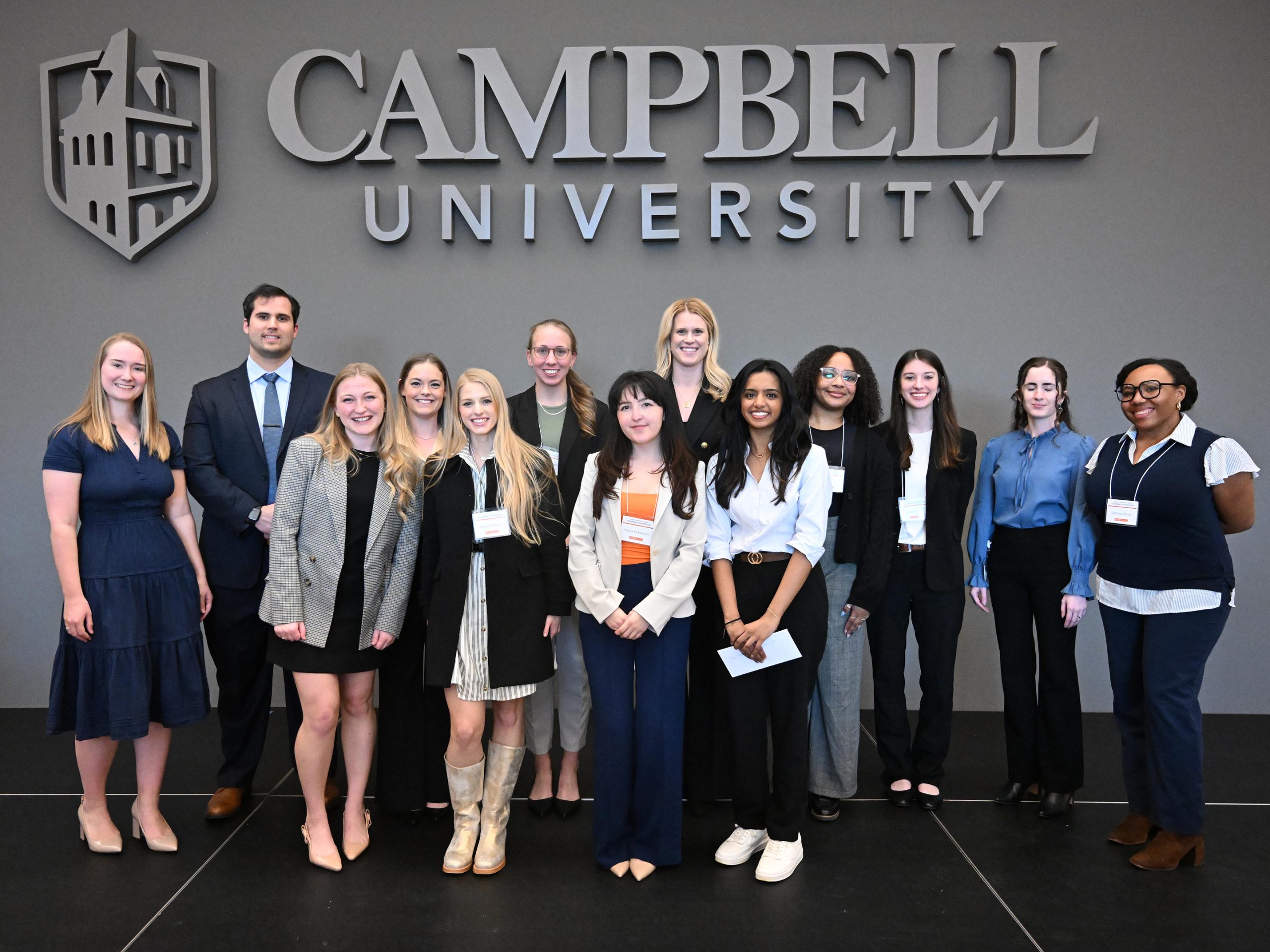
- Desiree Byrd, Maria Echeverri, Alyson Kidd, “An Overview of Appendiceal Mucinous Neoplasms: Histopathological and Clinical Implications” (Faculty Mentor: Dr. Alan Proia, Dr. David Green)
- Hannah Ruiz, Madison Lawrence, “A Case Study: Hydronephrosis with a Review of Possible Causes” (Faculty Mentor: Dr. Bonnie Brenseke, Dr. Terence Mitchell)
- Riya Nitesh Shah, “Building a Diverse Health Workforce: A Demographic Analysis of a Rural FQHC Medical Scribe Pipeline” (Faculty Mentor: Dr. Jan Lee Santos )